A hill from which to glimpse the city’s origins
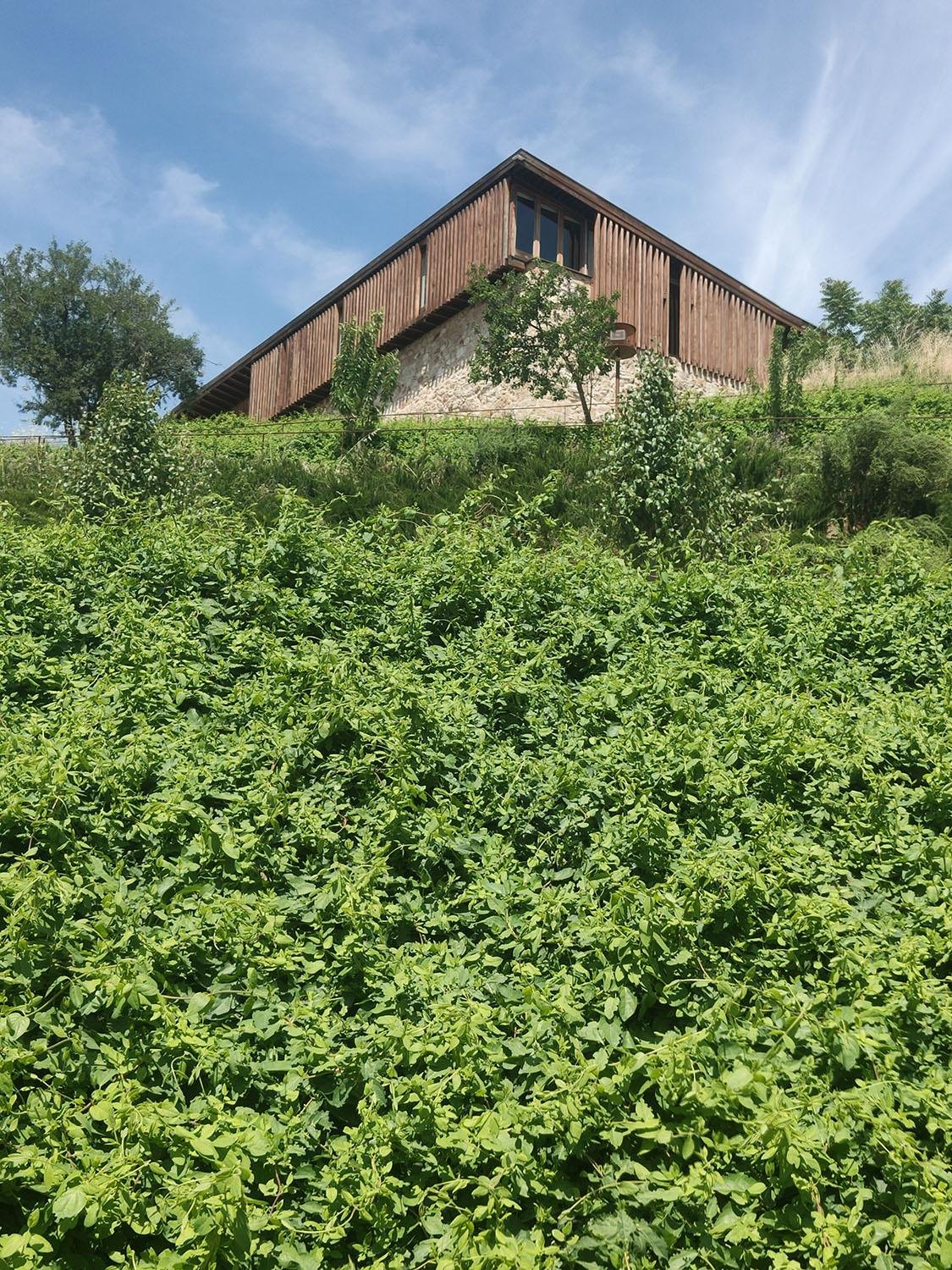
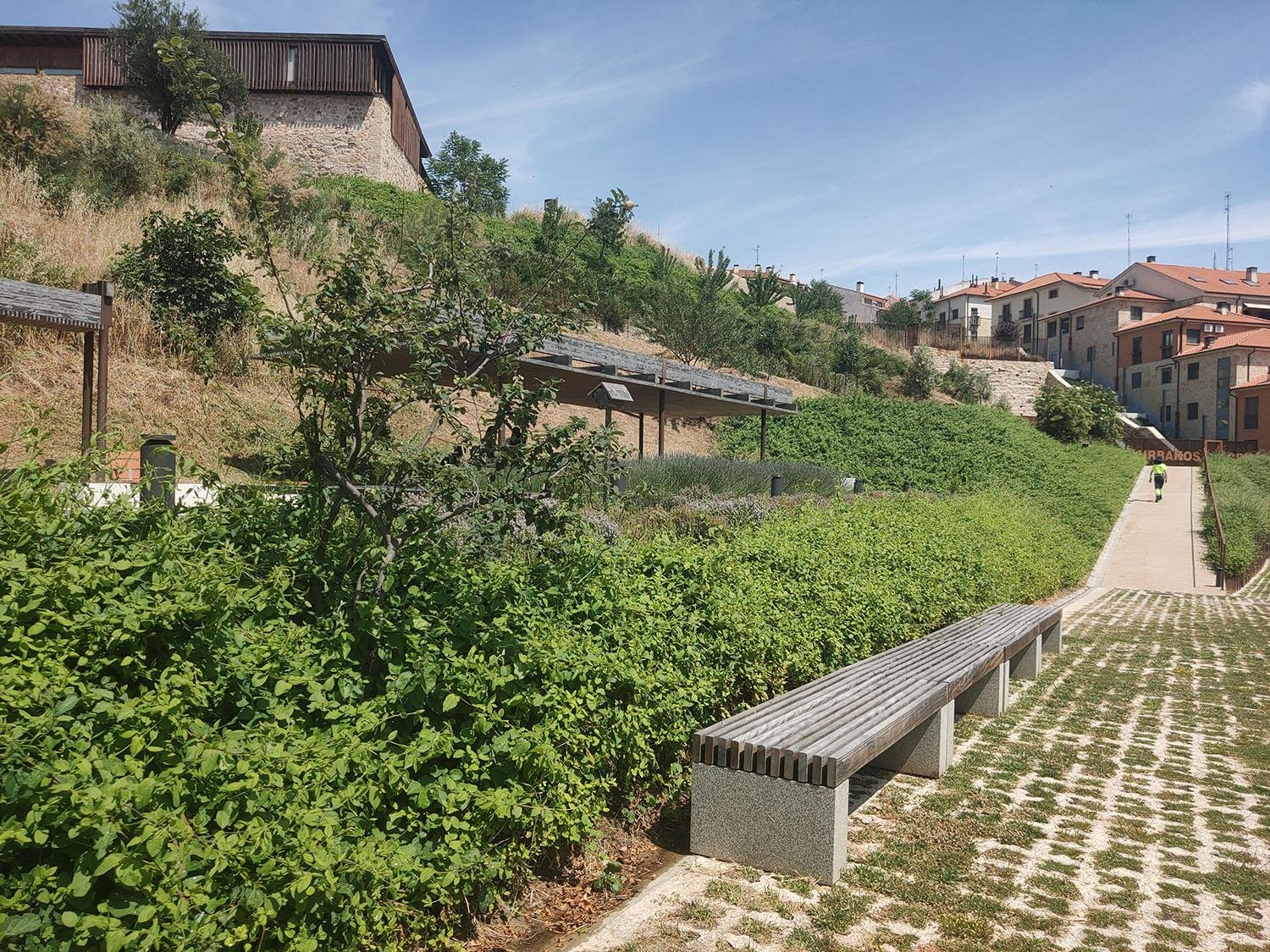
We are in the city’s only garden whose paths are arranged in terraces along a hill. As we walk through it, we traverse part of its history, when its slopes were the orchard of the former Convent of San Vicente. This space has witnessed the arrival of vegetables from overseas, in a country that once knew nothing of potatoes, peppers, or tomatoes, until Atlantic expeditions brought them. The route rises terrace by terrace, with a gentle, accessible incline. At each stop, a different plant attraction awaits.
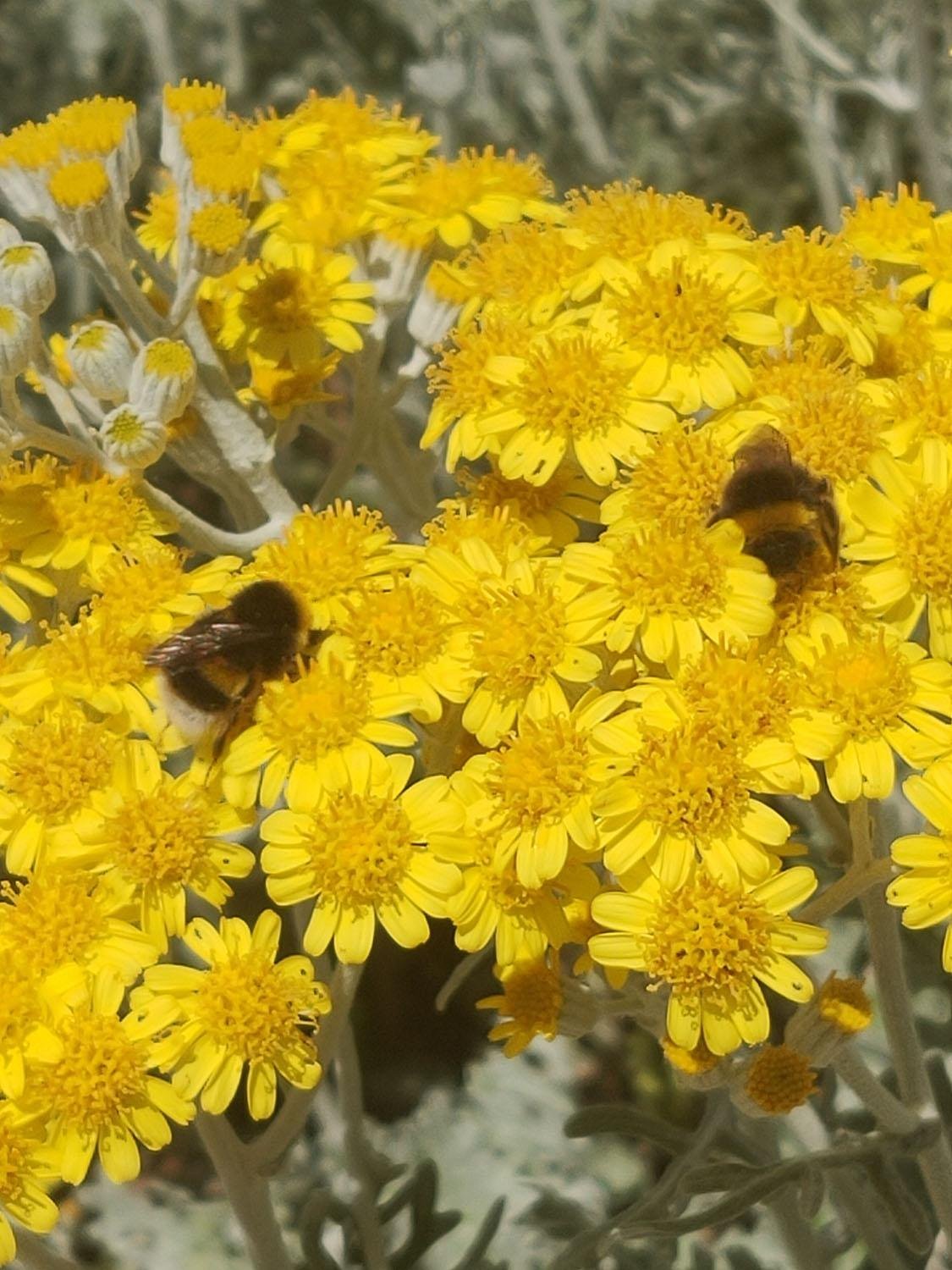
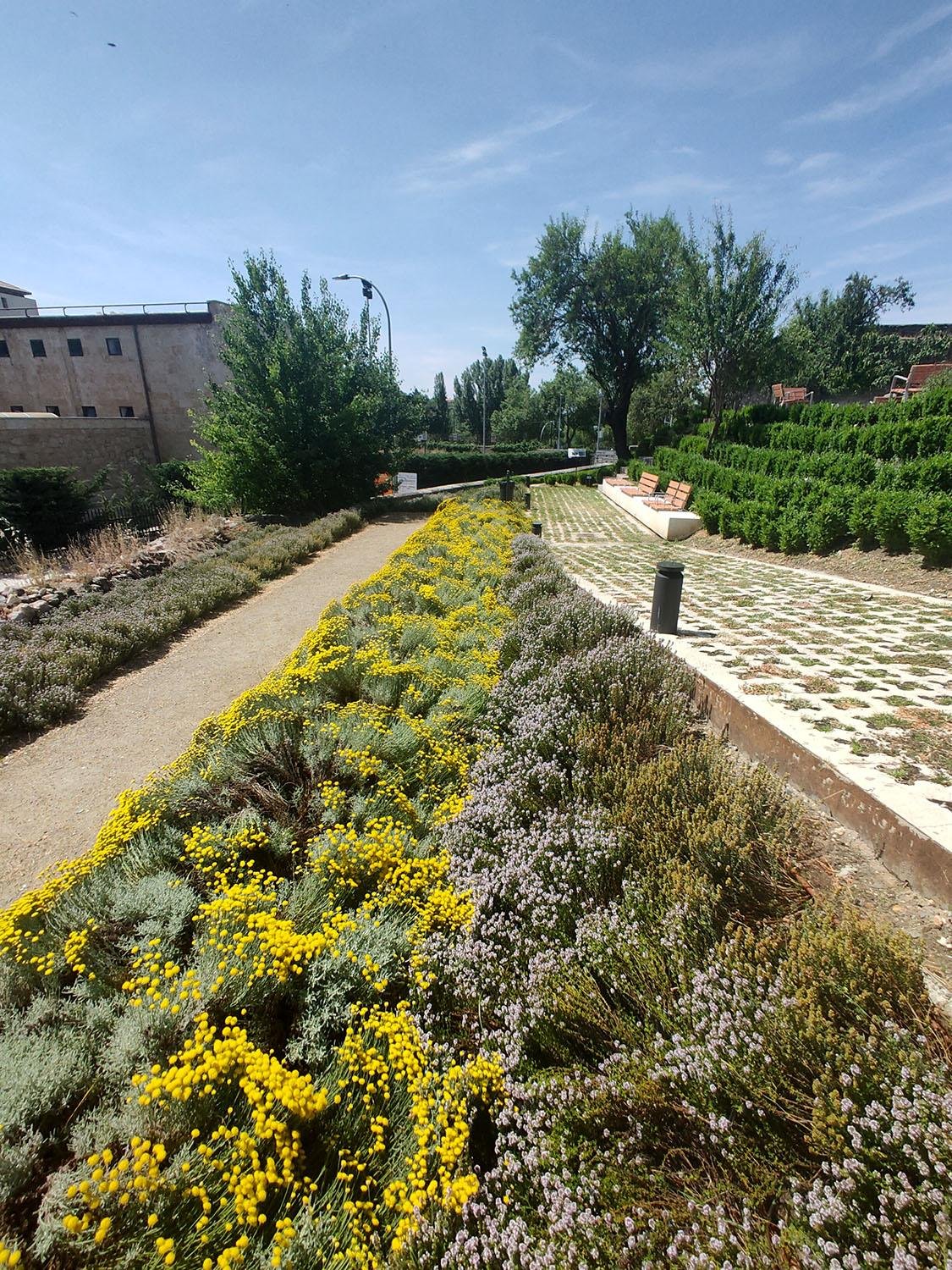
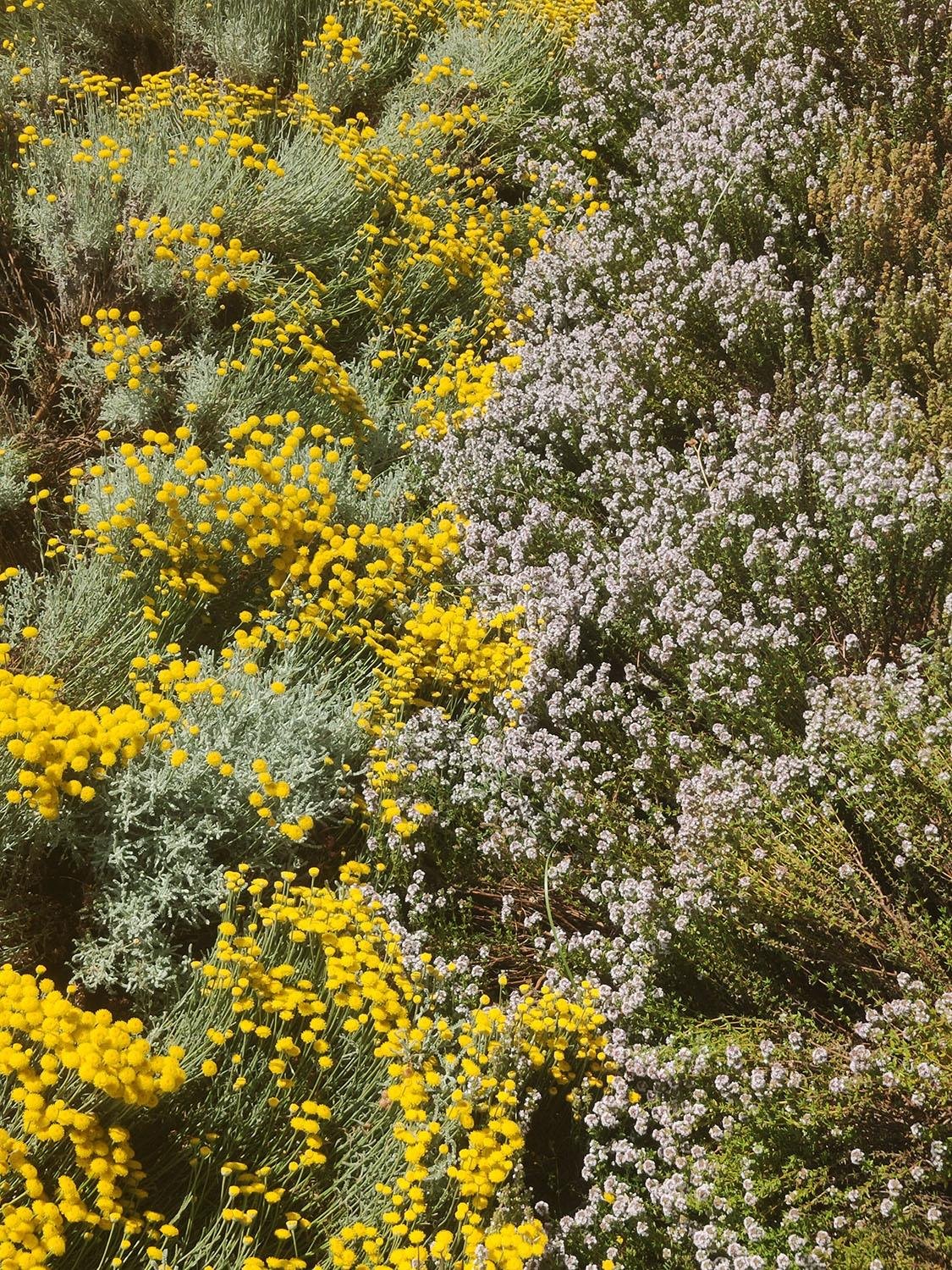
At the entrance, the intense, recognizable scent of thyme greets us. These carpets are dotted with tiny bluish, whitish, and greenish flowers, adding a striking touch of color. The hum of pollinators reaches us—tiny creatures that allow plants to be fertilized and bear fruits and seeds, continuing the cycle of life. Their buzzing signals a living, healthy space.
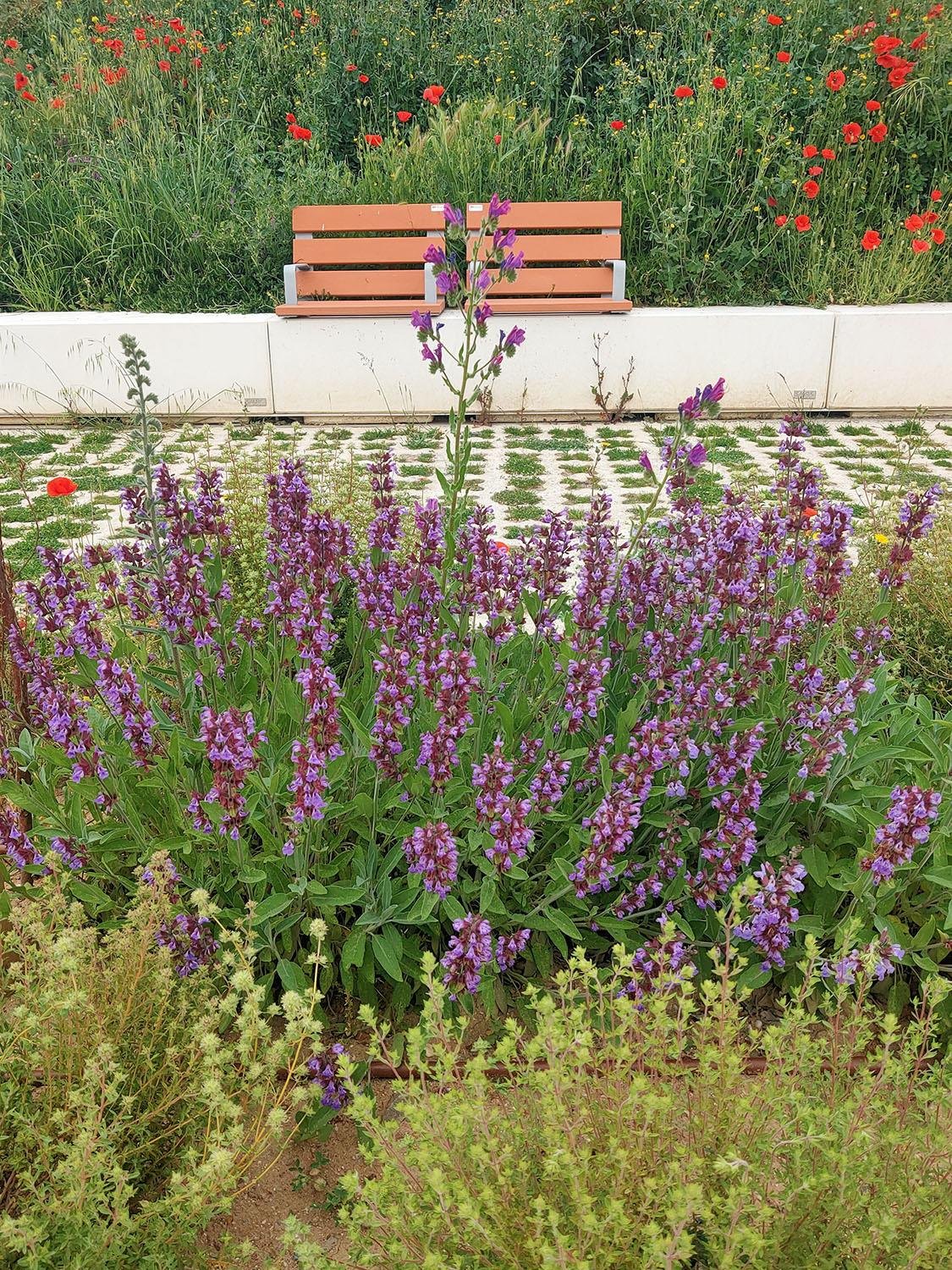
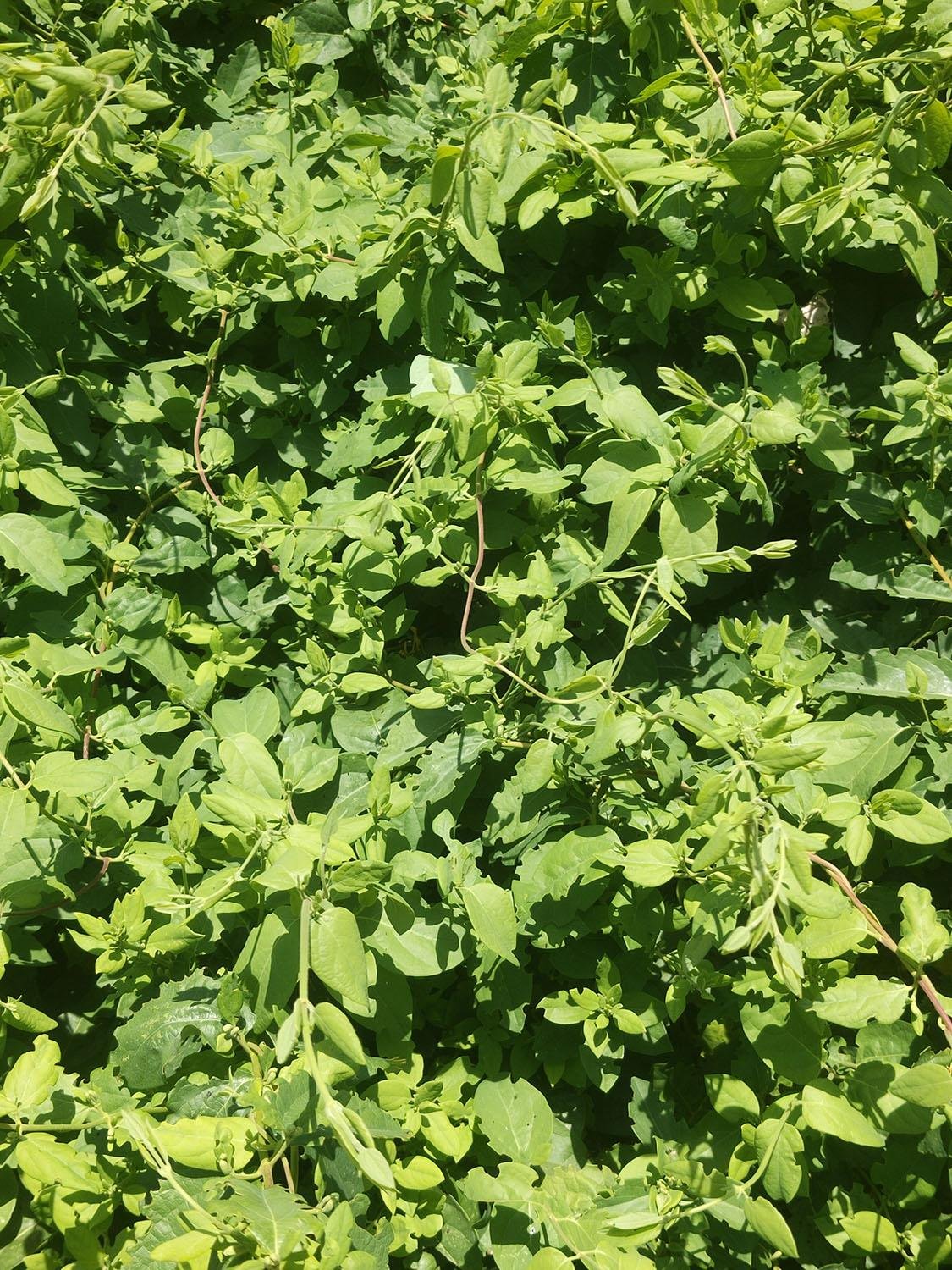
The slopes are covered in sections with rosemary, its stems cascading down the incline and flowering throughout the year. We can also look for honeysuckles, which blanket the ground with fresh, varied greenery. Both blend harmoniously with the lavender in the small flat areas, with their upright spikes displaying a fragrant, beautiful purple.
Within this atmosphere of scents, we soon recognize a plant of Mediterranean character: the rockrose. In full spring bloom, it shows white petals marked with a small, elegant spot. This hardy shrub withstands water scarcity, like much of the garden’s vegetation, designed to thrive in an increasingly warm and dry climate.
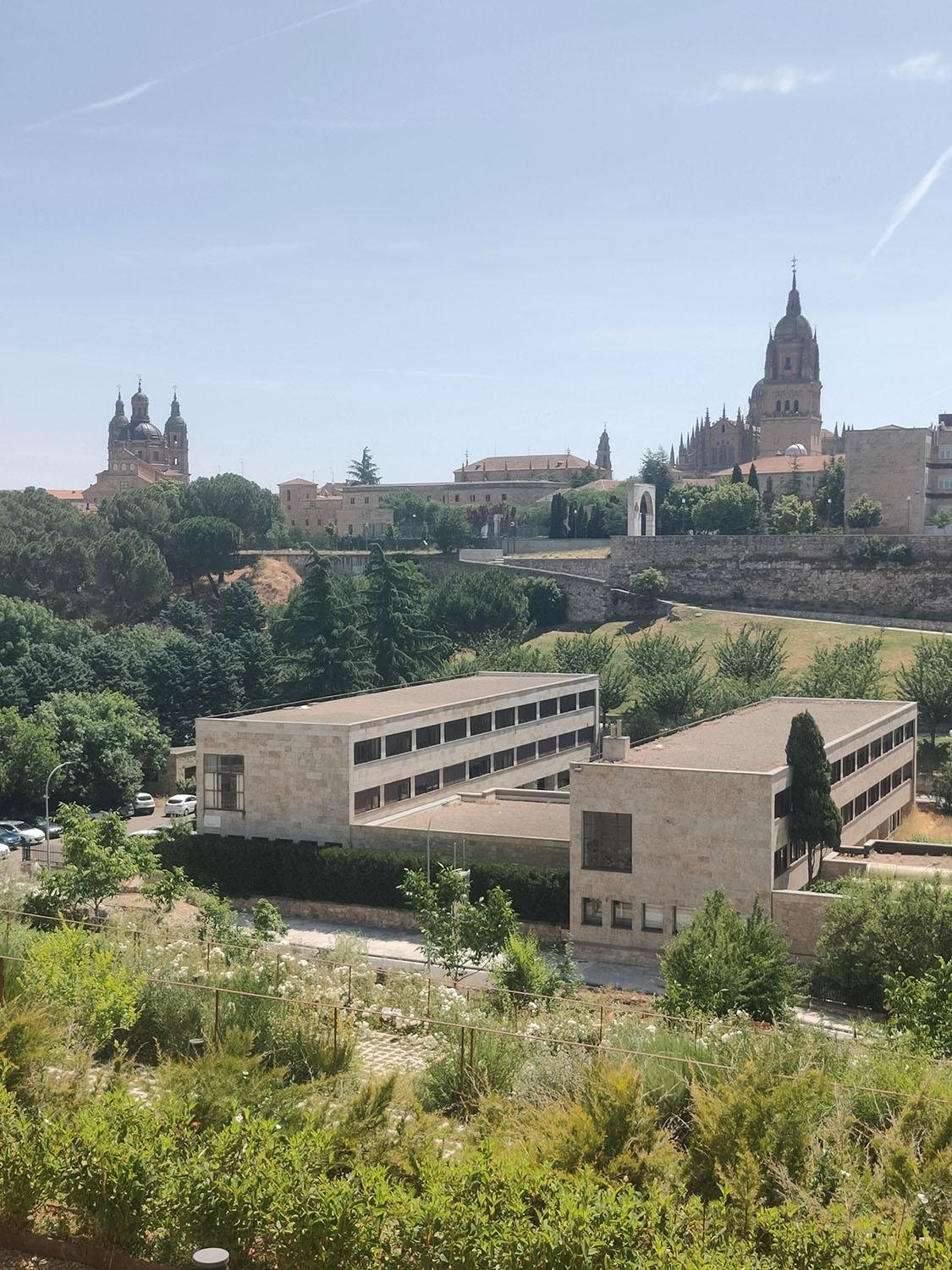
Surprises appear along the way, such as the elder. This tall shrub often grows spontaneously, without human planting. Birds—such as blackbirds, warblers, or thrushes—disperse this beautiful species to unexpected places. They eat its fruits and spread the seeds throughout the city and across all heights. In this journey of flights and seeds, there are remarkable anecdotes: an elder grew a few years ago in the cathedral’s dome, and another in the towers of La Clerecía. Nature knows no bounds.
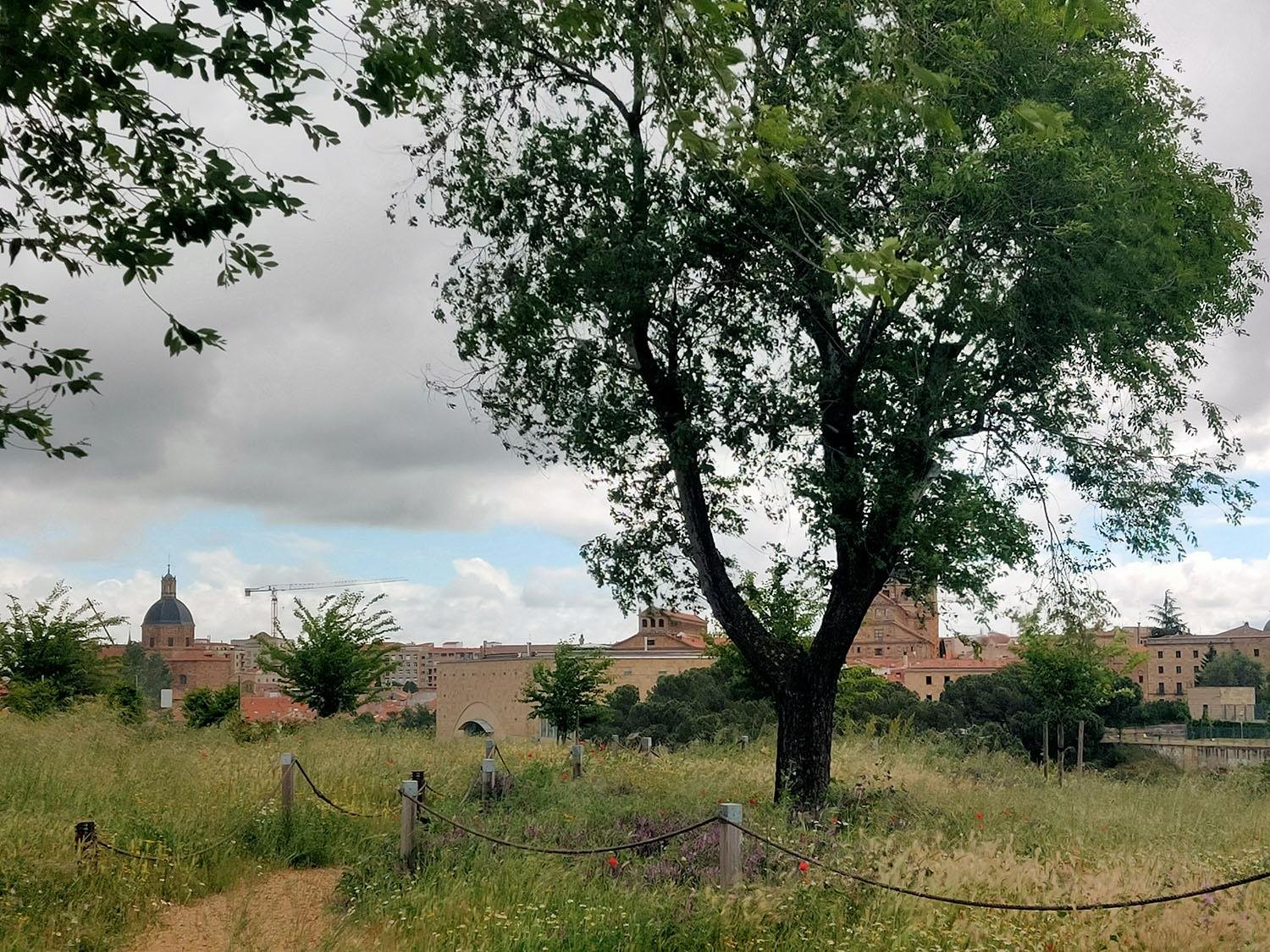
As we ascend, our gaze opens to the Vaguada de la Palma, a small valley where trees create one of the city’s most pleasant walking spaces. Horse chestnuts, ash trees, and lindens intertwine their branches with the flowerbeds, forming a colorful and harmonious floral composition.
Try to find...
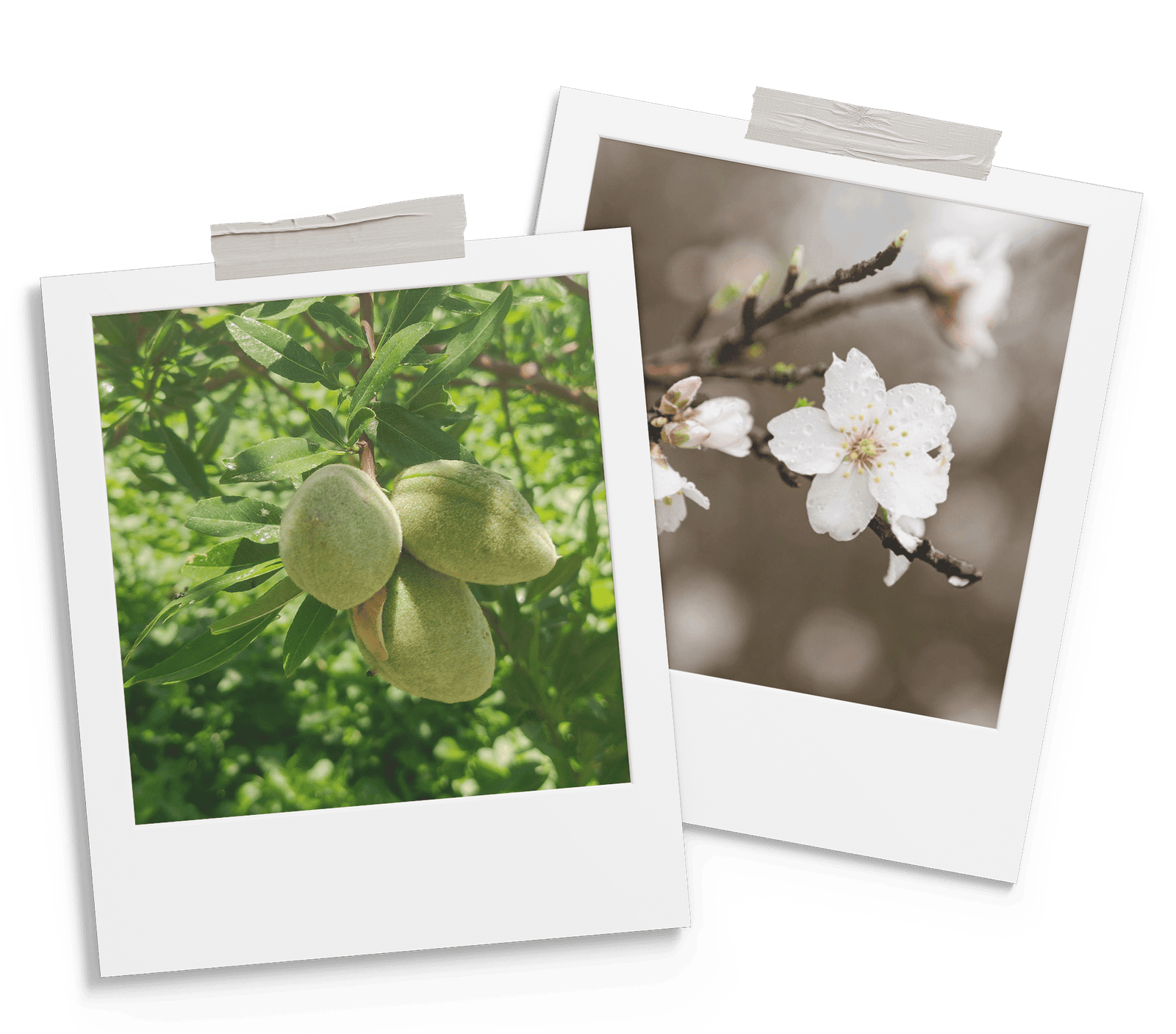
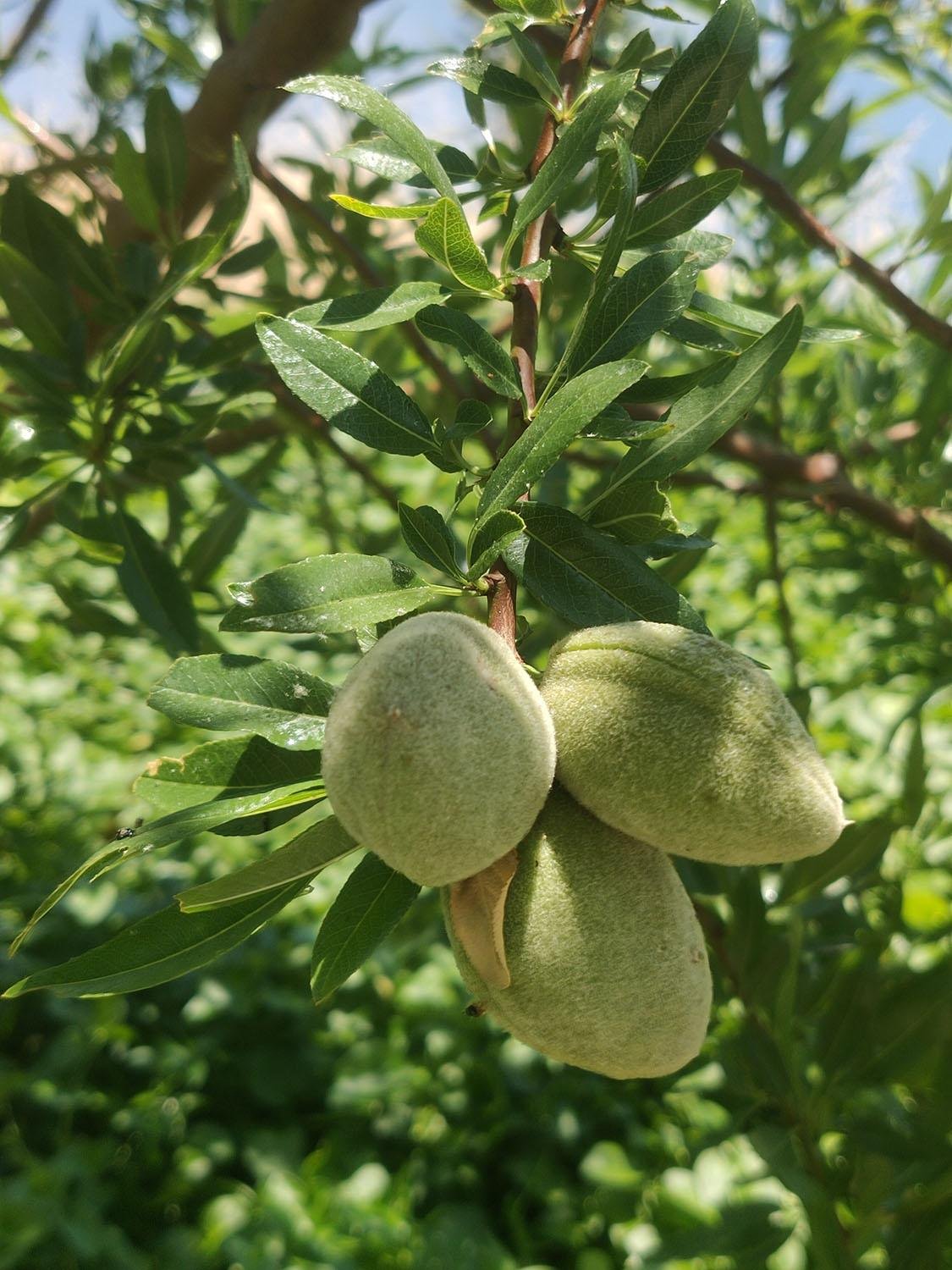
…the old almond trees scattered across the hill. They preserve the memory of a place once dedicated to these hardy, resilient fruit trees. By February, they are already in bloom, brightening the end of winter that leaves other trees bare. A quince tree and an apple tree can also be found, worn by the years, living witnesses to this chronicle of a hill where the history of the city of Salamanca begins.