When the garden is cultivated through literature
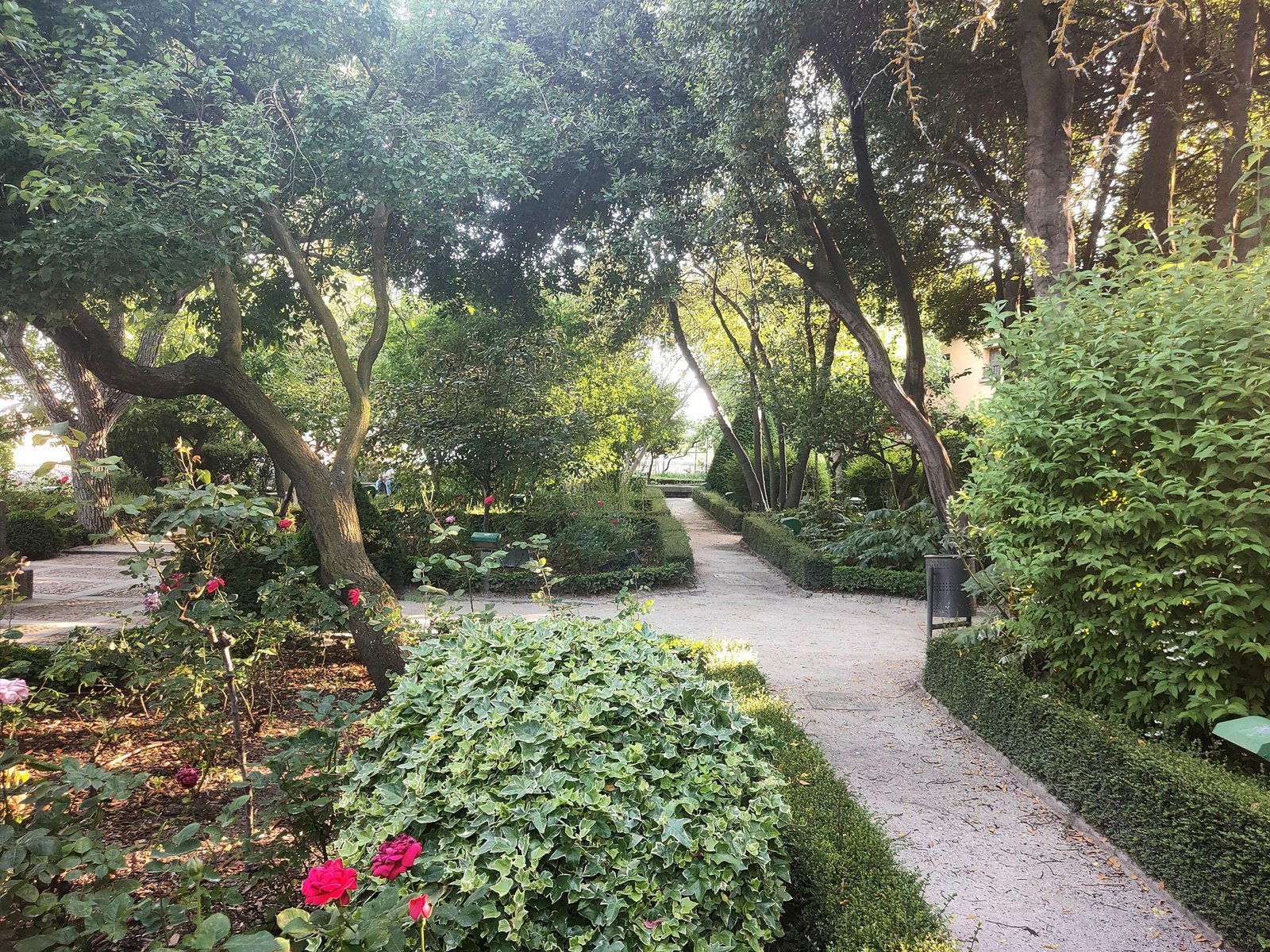
Entering through the arch on Calle Arcediano is taking the first step into a place where the words of Fernando de Rojas transform into a garden. Just pause for a moment at the entrance, beneath the gentle shade of the laurels, and become aware that you are walking through a truly different space.
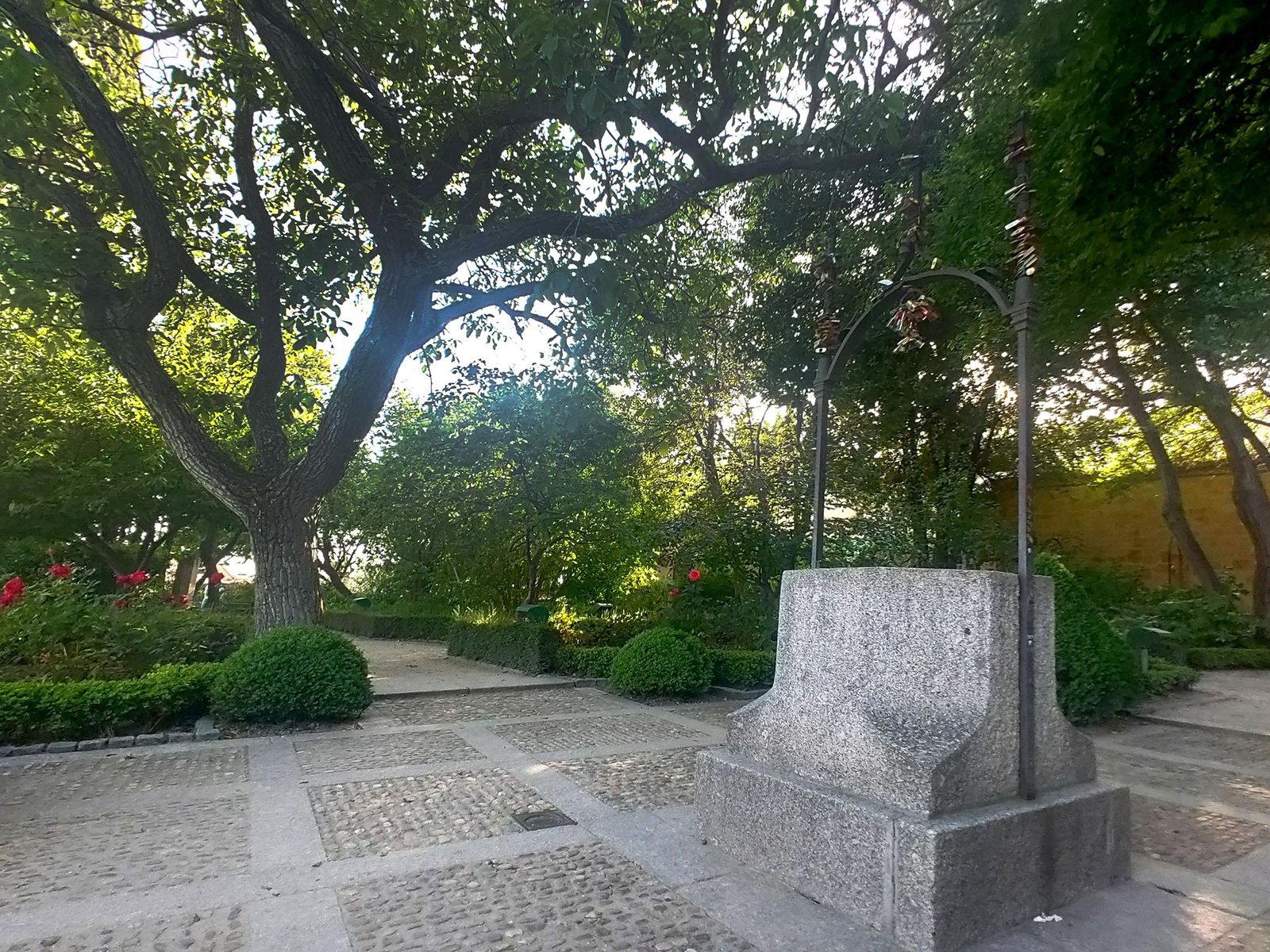
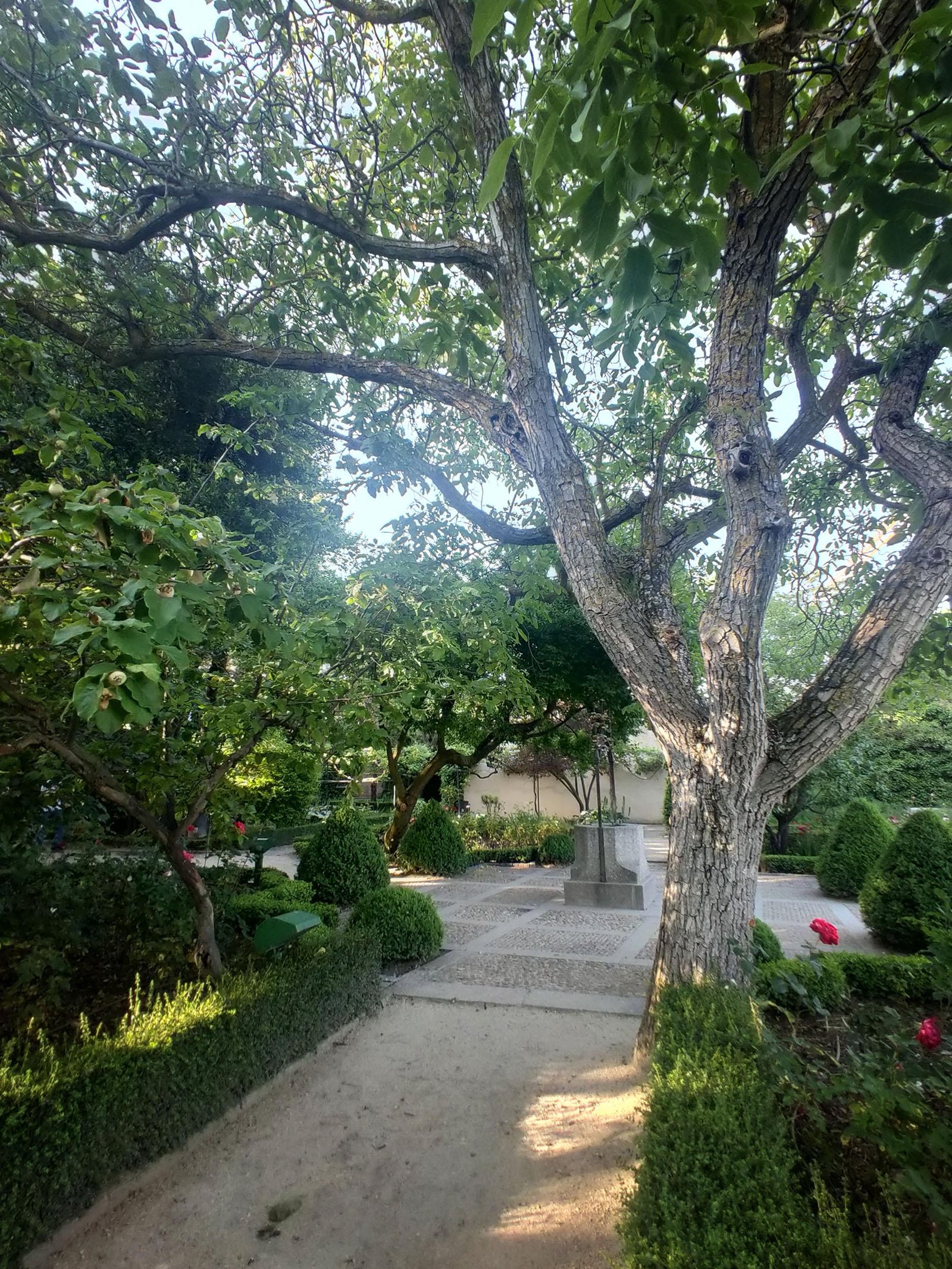
It’s worth taking a few more steps to reach the small square by the well. A majestic walnut tree occupies one corner. Its fragrance is subtle, but its nuts do not go unnoticed by the magpies: some are eaten, others hidden as winter stores. Occasionally, they are forgotten, giving rise to a new tree along the banks of the Tormes.
From this little square, it’s best to let yourself be guided to the balcony overlooking Avenida del Rector Esperabé. Not so long ago, this viewpoint looked out over the orchards of the river plain. Today, these are recreated in small plots within the garden. Throughout the seasons, we see artichokes grow, their acanthus-like leaves and purple hues rising above green scales.
Following the path along the city wall reveals the great linden tree, with its heart-shaped crown. During the bare months of winter, it presents a filigree of branches pointing skyward. At the start of summer, it fills with sedative flowers, releasing a dense aroma that invites calm and an unexpected nap on the granite benches.
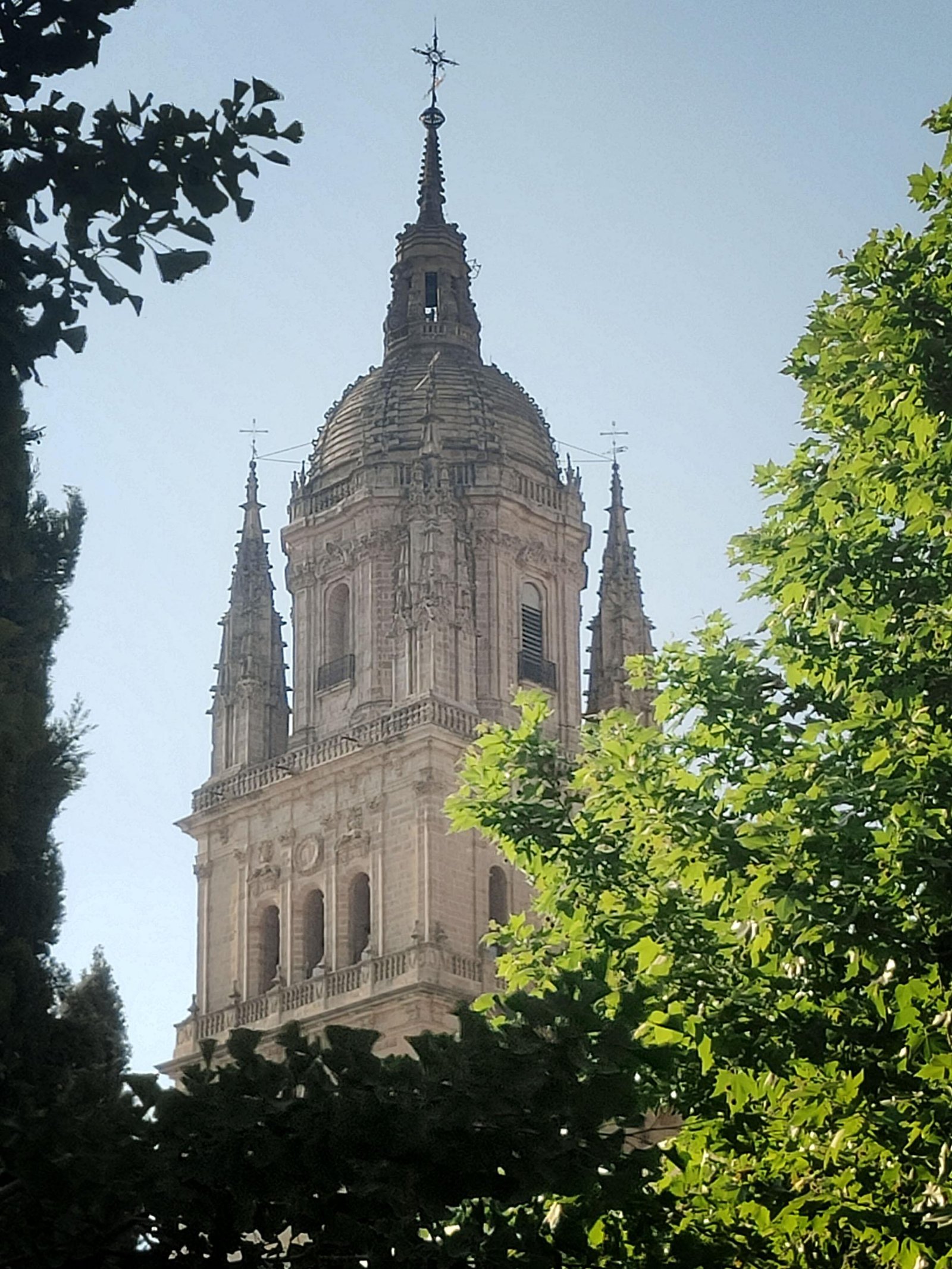
There’s no rush to continue, as this enclave always offers surprises. Further along, the Visir Garden opens up, a corner to breathe in water and shade. A discreet fountain sings here, beside an old pear tree. Surrounding it, a wall of shade-giving plane trees filters the light, inviting visitors to glimpse, through the gaps, the silhouette of the cathedral tower.
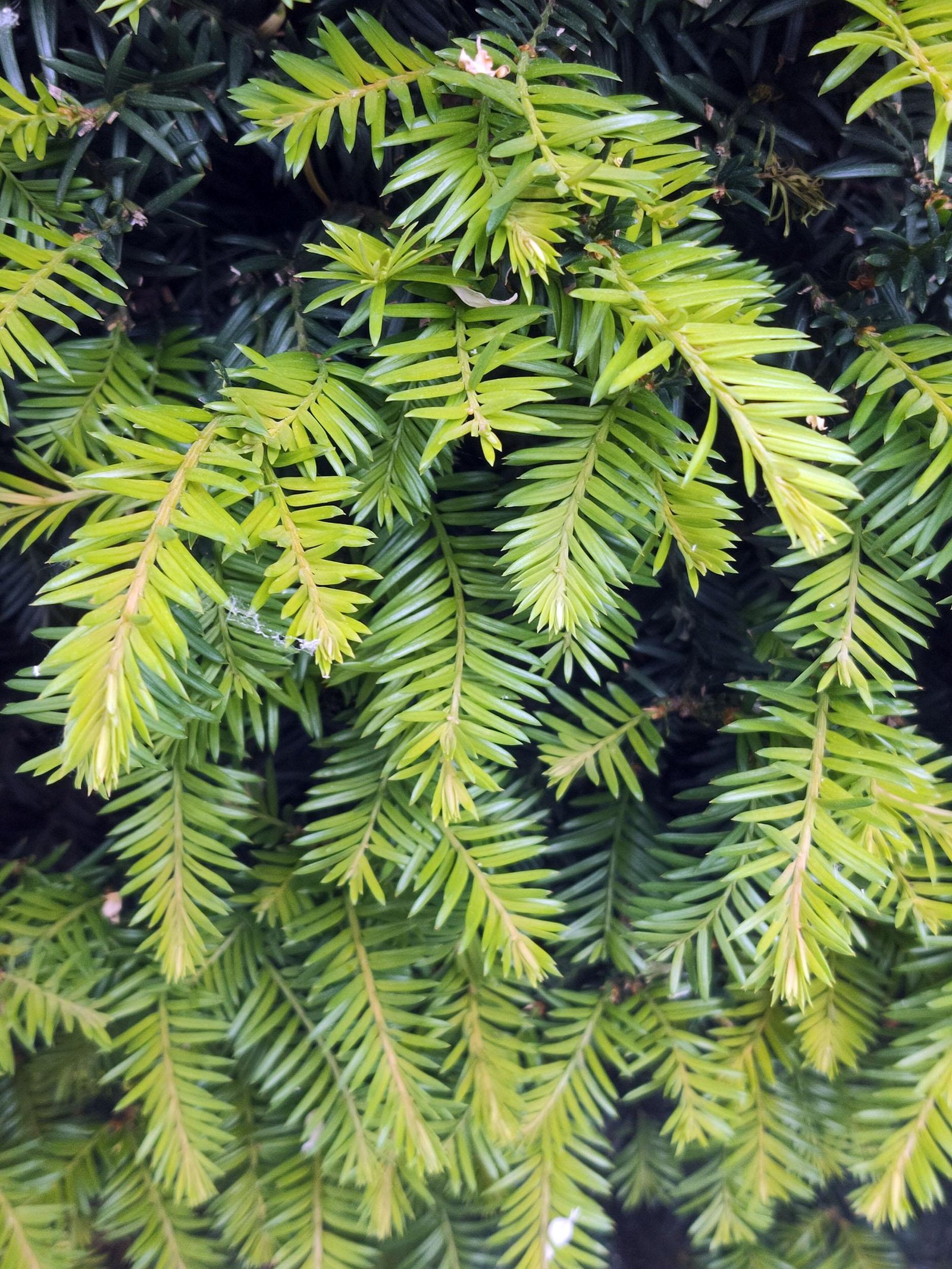
If we head back toward the exit, our steps lead us to the pergolas, where honeysuckle climbs silently, perfuming the view. A solemn yew and a date palm create an almost whimsical contrast—a botanical nod to distant lands.
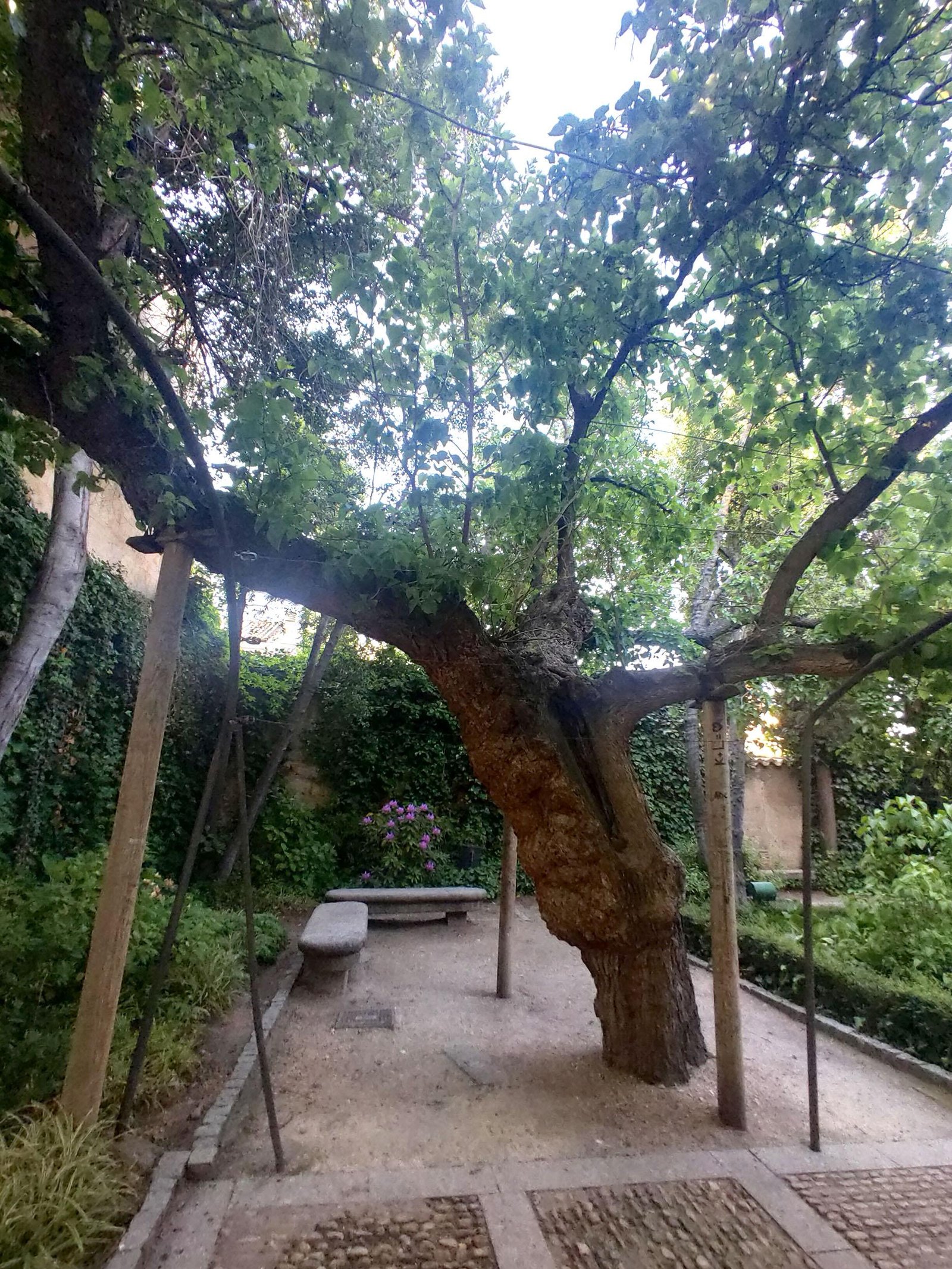
Often, in our hurry, we forget to lift our eyes to admire the great historic mulberry, supported by forks that prevent its collapse. Very close by stands the bust of Celestina, by sculptor Agustín Casillas. This bronze figure captures the essence of the entire garden: a living, shaded tribute to the immortal work of Fernando de Rojas.
Try to find…
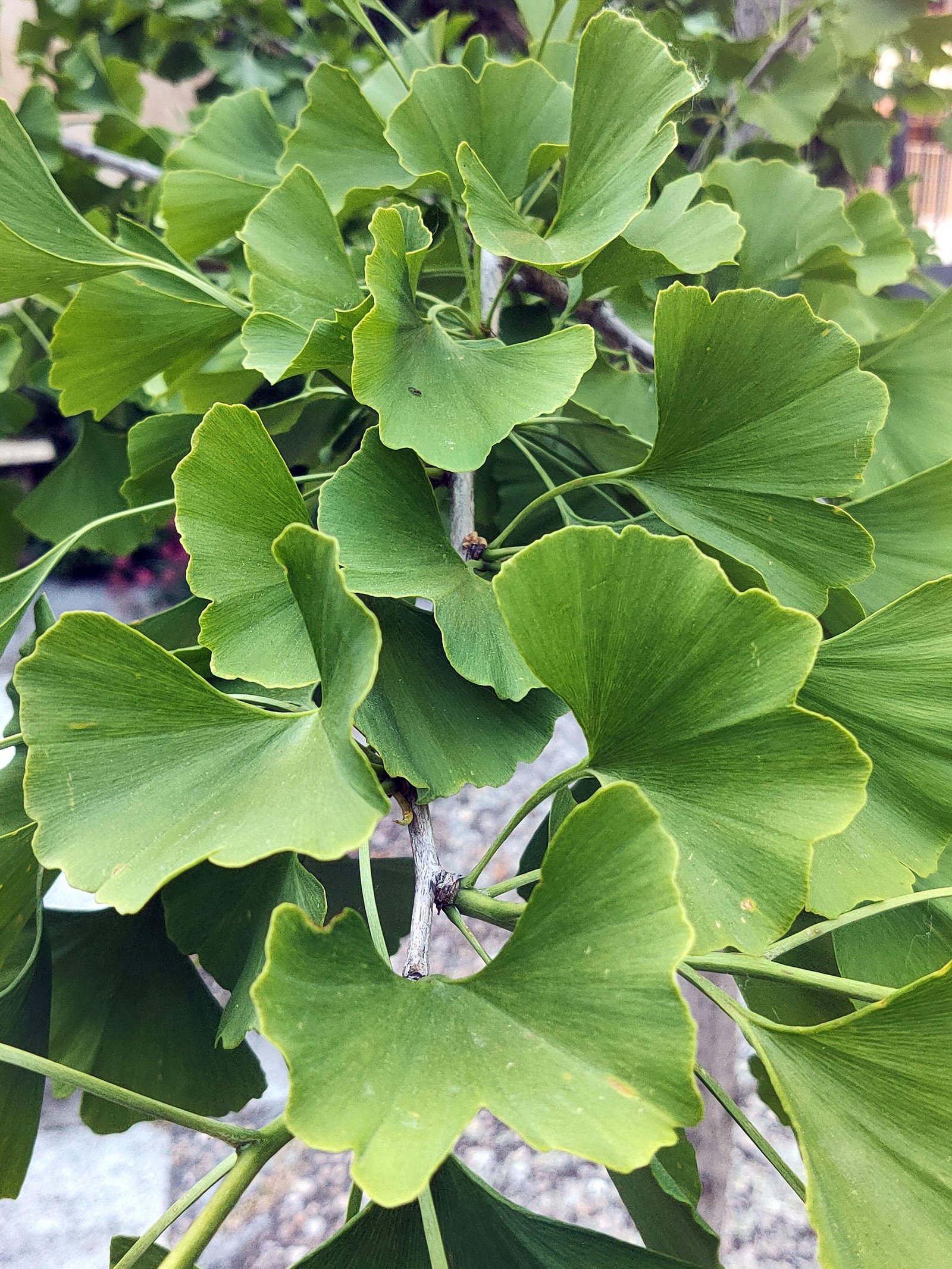
…the ginkgo in the Visir Garden. A young tree, full of symbolism in Japanese culture. During World War II, several ginkgos survived the atomic bomb in Hiroshima, even though they were close to the epicenter. These trees, known as hibakujumoku (bomb-surviving trees), sprouted again among the ruins when everything else seemed destroyed. Since then, the ginkgo has been regarded as a symbol of strength, rebirth, and peace.