

A park tied to Salamanca’s childhood
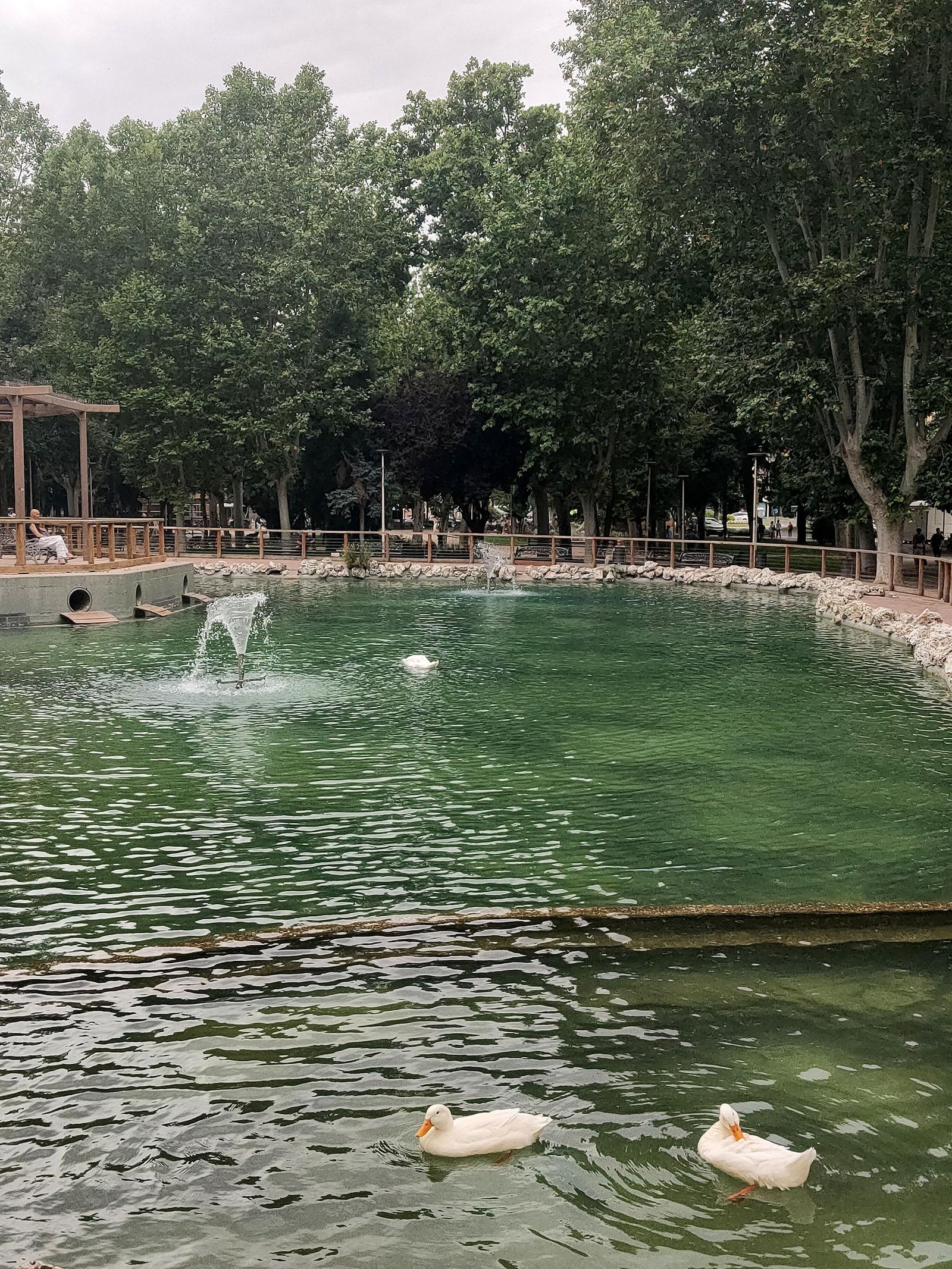
For many residents of Salamanca, talking about Alamedilla Park evokes a fond image of childhood: tossing breadcrumbs to the ducks in the small pond or feeding the pigeons gathered on the benches.
This charming corner of Salamanca is filled with the constant cooing of wood pigeons. In recent years, these birds, normally found in the countryside, have chosen to live within the city. This has displaced the domestic pigeons, which have disappeared from much of the urban area. The wood pigeons breed in the London plane trees of Alamedilla, whose horizontal branches provide ideal platforms for their nests—flat constructions of sticks seemingly arranged at random.
The history of the park dates back to the 19th century, when Salamanca welcomed the arrival of the railway with great enthusiasm. On the site where today tall, glossy trees grow, the machinery was displayed as a symbol of industrial progress. Over time, the area was transformed into a space for walking and relaxation, thanks in part to the abundant presence of black poplars, locally known as negrillos. This is how the park got its name: “Alamedilla,” the diminutive of alameda.
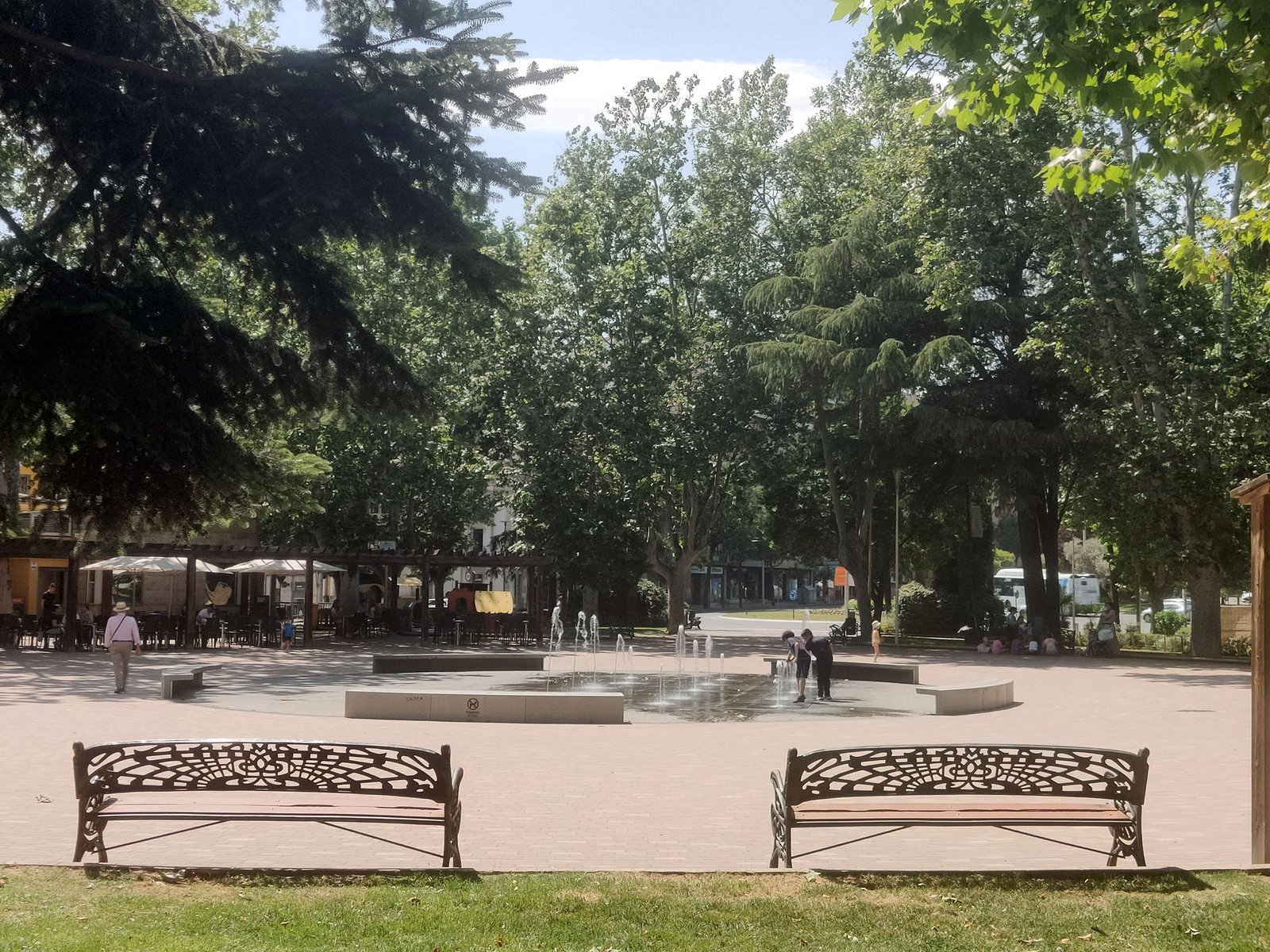
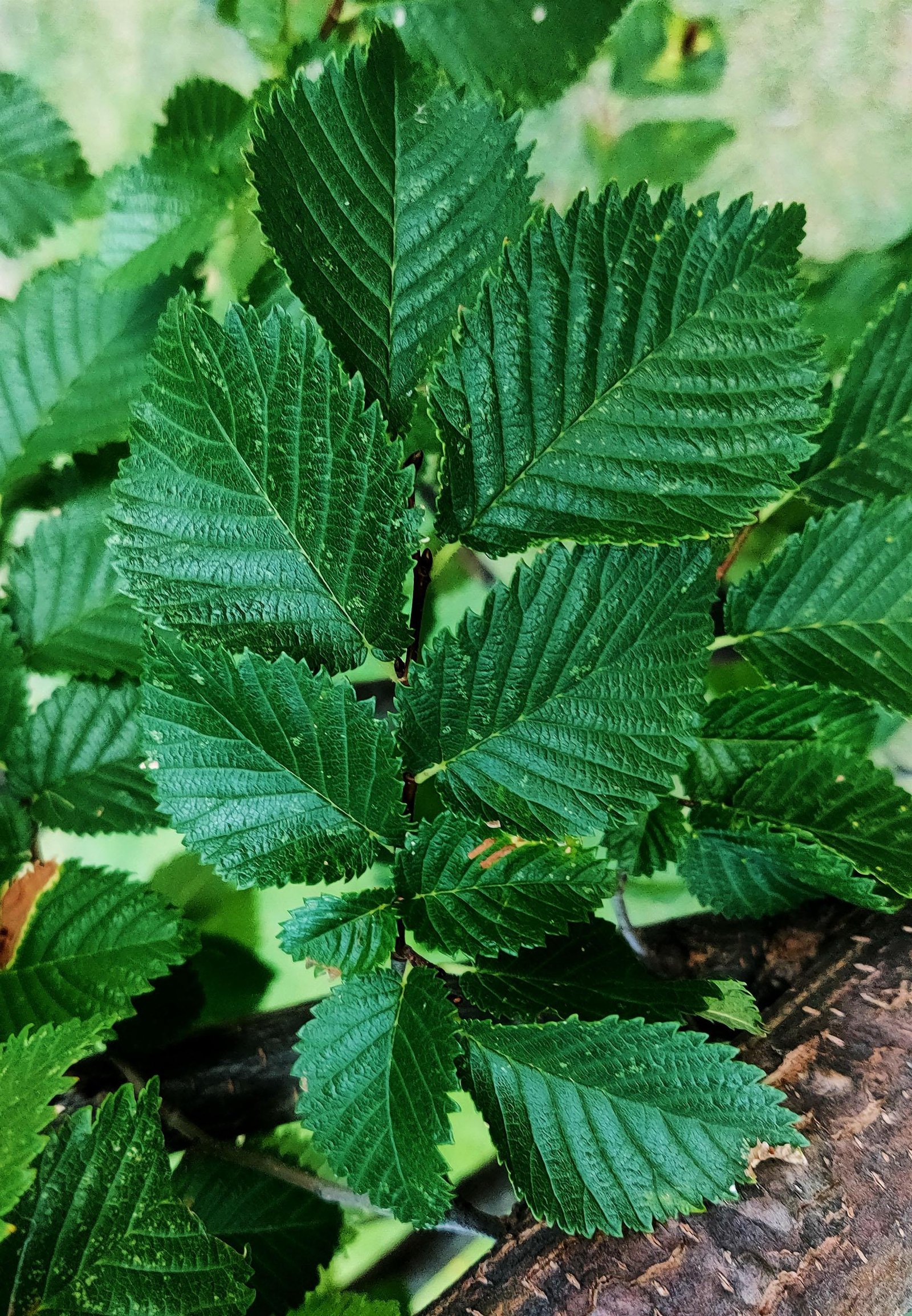
At the heart of the park, a series of fountains bursts from the ground, becoming the focal point of children’s play during the warmer months. Although the original elms were decimated by Dutch elm disease in the 20th century, the park has reinvented itself, becoming a true urban arboretum. It now hosts a rich variety of tree species, each marked with educational plaques so visitors can learn their names and origins.
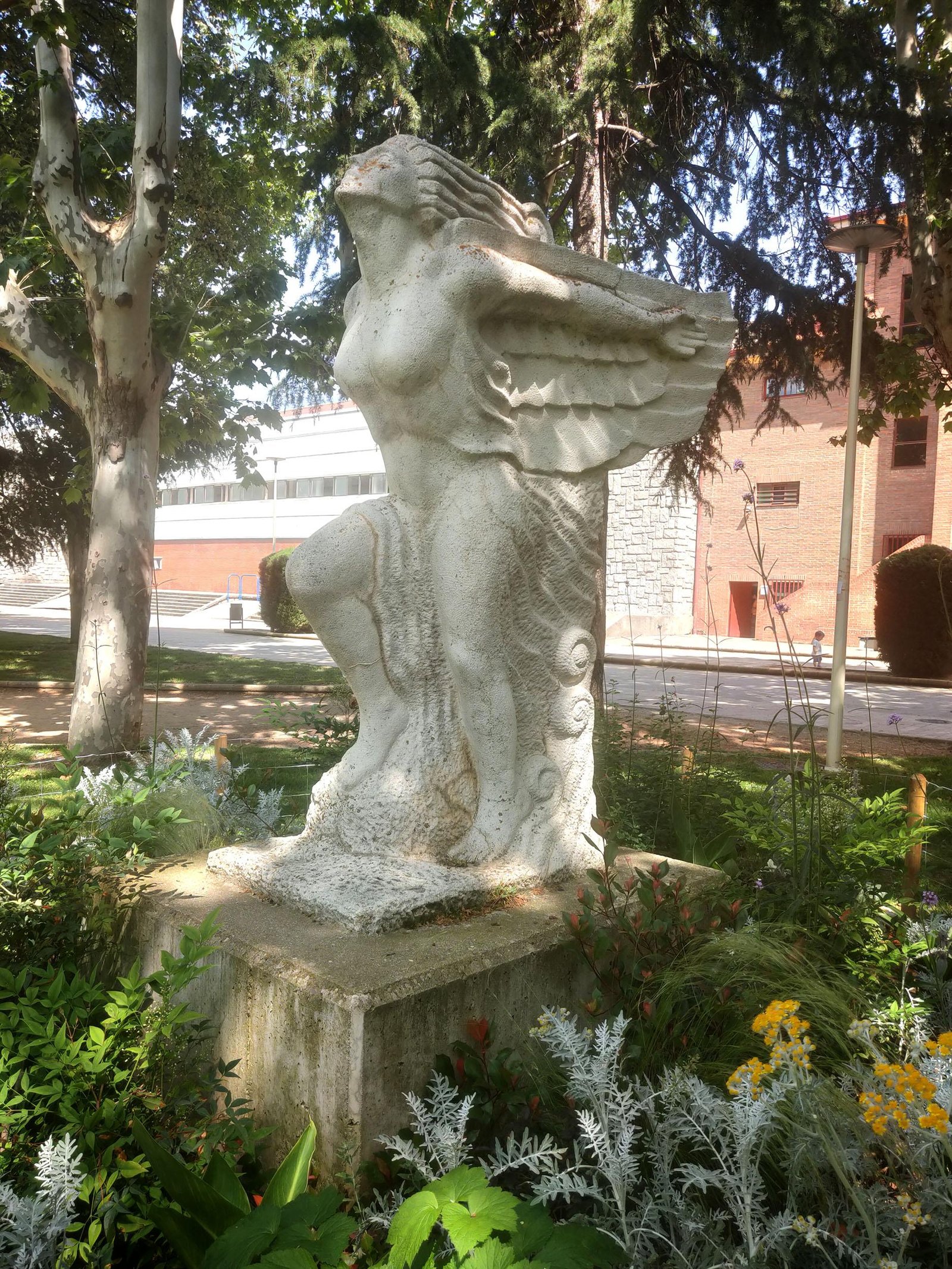
Beyond its natural value, Alamedilla also functions as an open-air museum. Scattered along its paths are several sculptures by the renowned Salamanca artist Agustín Casillas (1921–2016), whose work is deeply tied to the city’s identity.
Among the park’s botanical treasures stands a monumental tree: an impressive Himalayan cedar (Cedrus deodara), considered one of the oldest in Salamanca. This majestic specimen may even predate the official creation of the garden, making it a true witness to the urban evolution of the area.
Try to find...
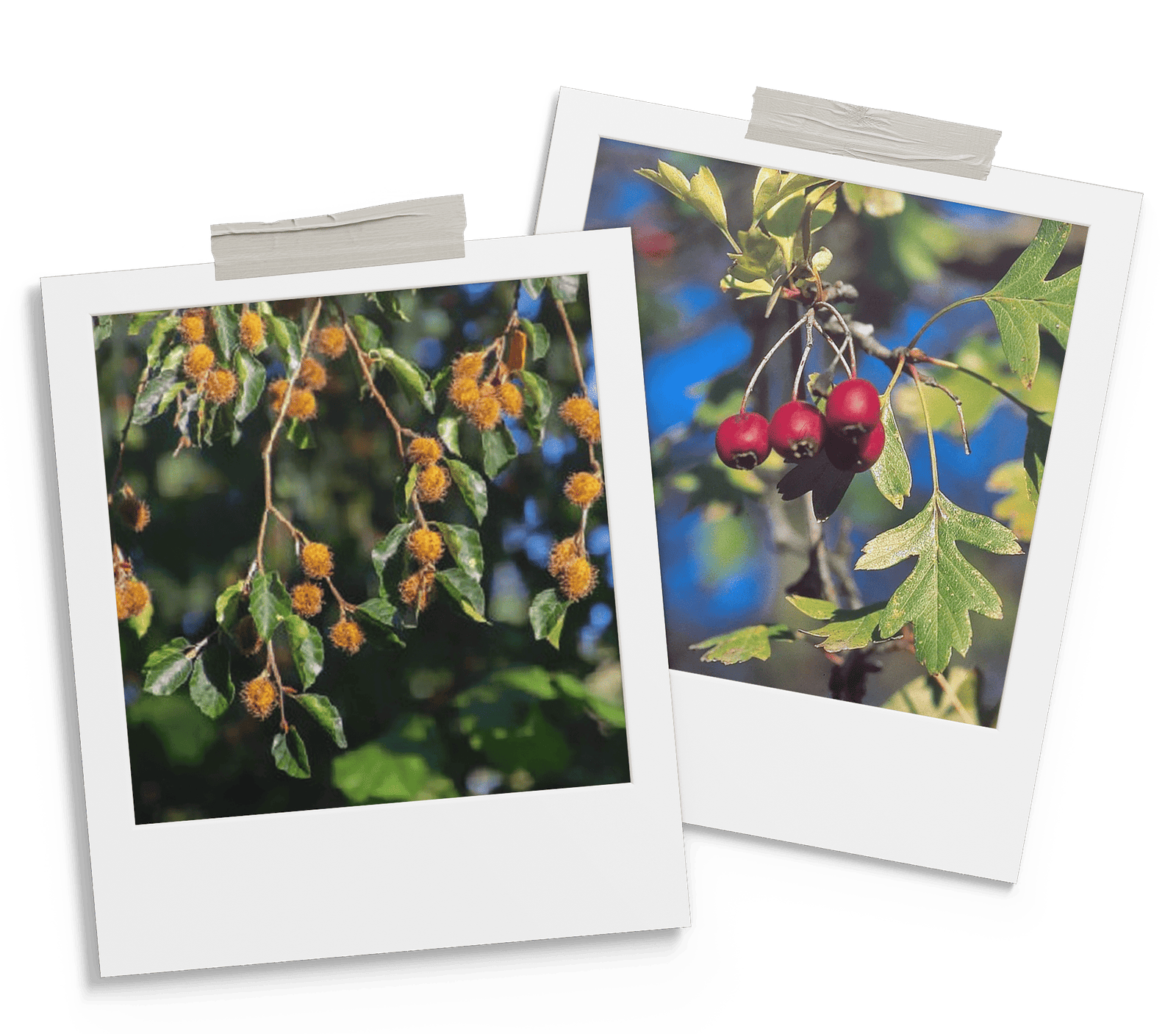
…the following species, each identified with its own plaque: the boxelder maple (Acer negundo), which has very distinctive seeds shaped like tiny gliders; the hawthorn (Crataegus monogyna), whose leaves resemble parsley and whose bright red fruits stand out; and the beech (Fagus sylvatica), whose canopy takes on a coppery hue in autumn.