From a historic orchard, a garden was born
Jesuit Park has its roots in the historic orchard that this religious order once maintained on the outskirts of Salamanca, back when the city had not yet begun to expand. The orchard not only produced vegetables but also hosted a large cowshed, where one of the first mechanical milking systems of the era was installed.
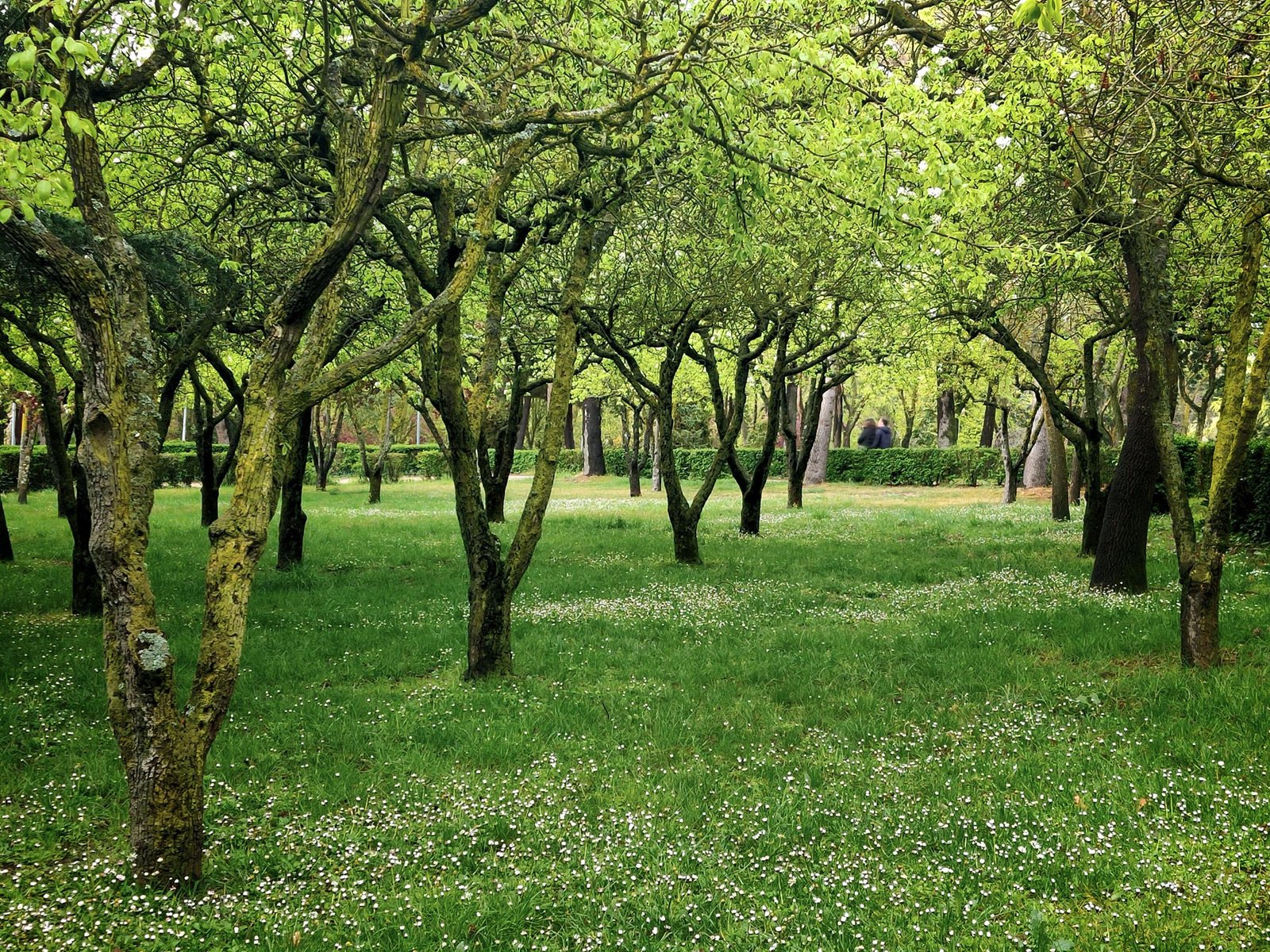
This land was home to extensive fruit tree plantations. Apple and pear trees were the most common and were pruned into a vase shape to facilitate harvesting. The architecture of the tree after pruning resembles a hand with fingers pointing upward, like the skeleton of a clay pot. Today, rows of these fruit trees can still be seen scattered across the plots.
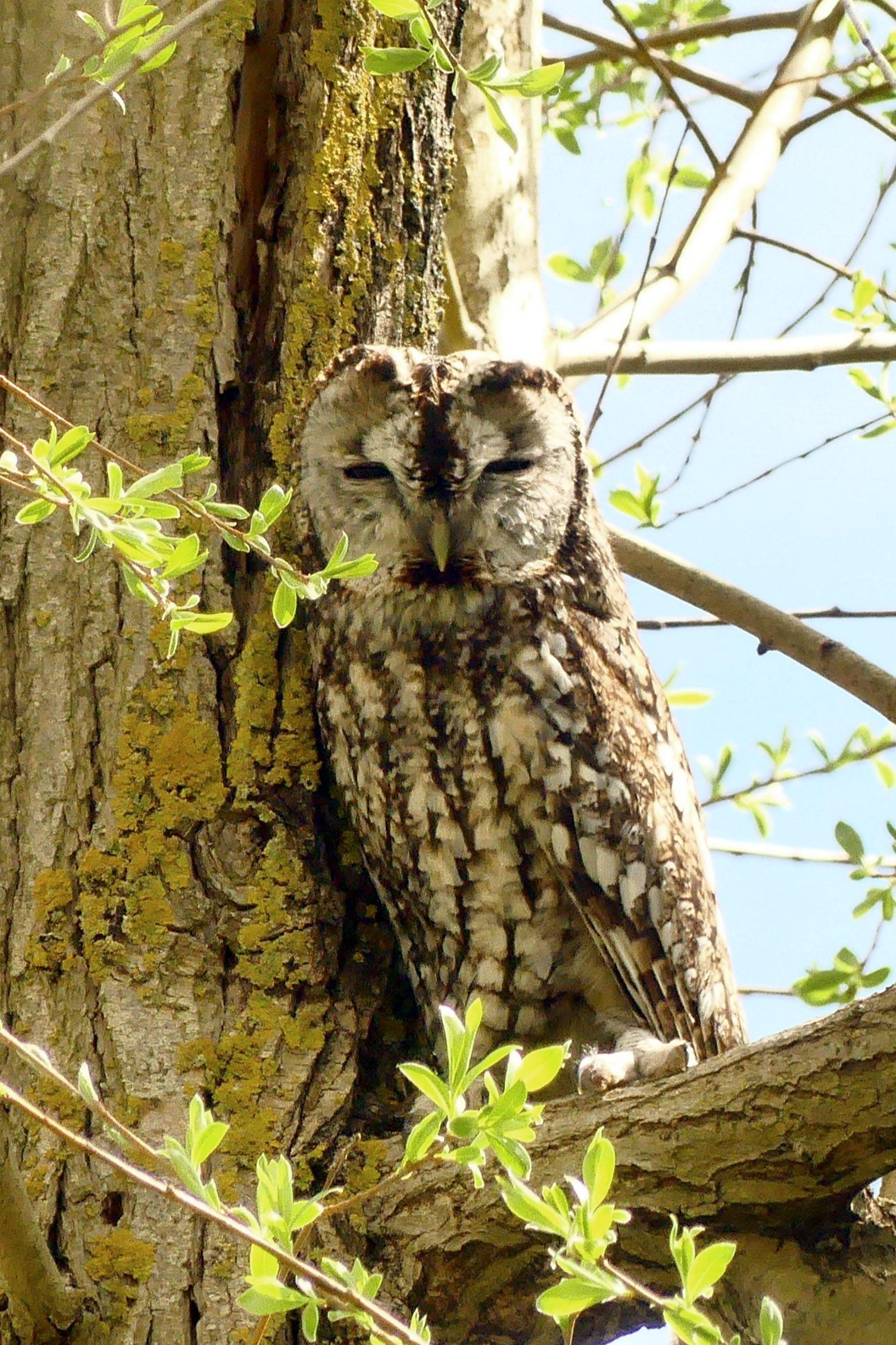
Being the largest park in the city, combined with its great diversity of trees and shrubs—including fruit trees—makes it one of the richest in birdlife. With a pair of binoculars, you may spot robins, tits, goldcrests, nuthatches, house sparrows… Even little owls and tawny owls can be heard at night. Over thirty different species—a veritable aviary.
Among all the birds, the blackbird stands out. Black with bright orange eyes and beak, it is the loudest singer of the park. Like a jazz musician, it creates a melodious and anarchic spring song. Perched at the tip of a branch, where the acoustics allow it to project its notes, it transforms the old Jesuit orchard into its own auditorium.
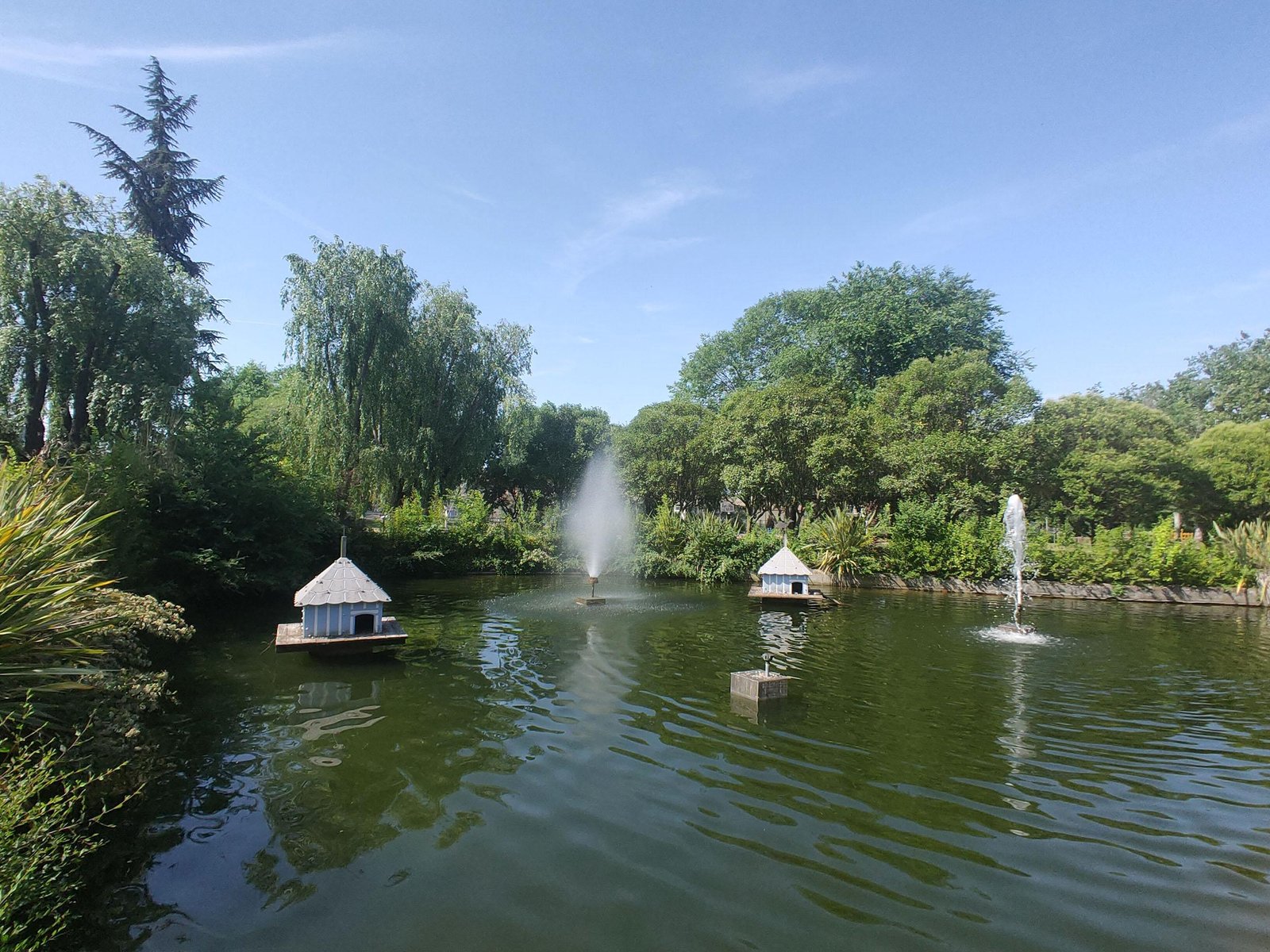
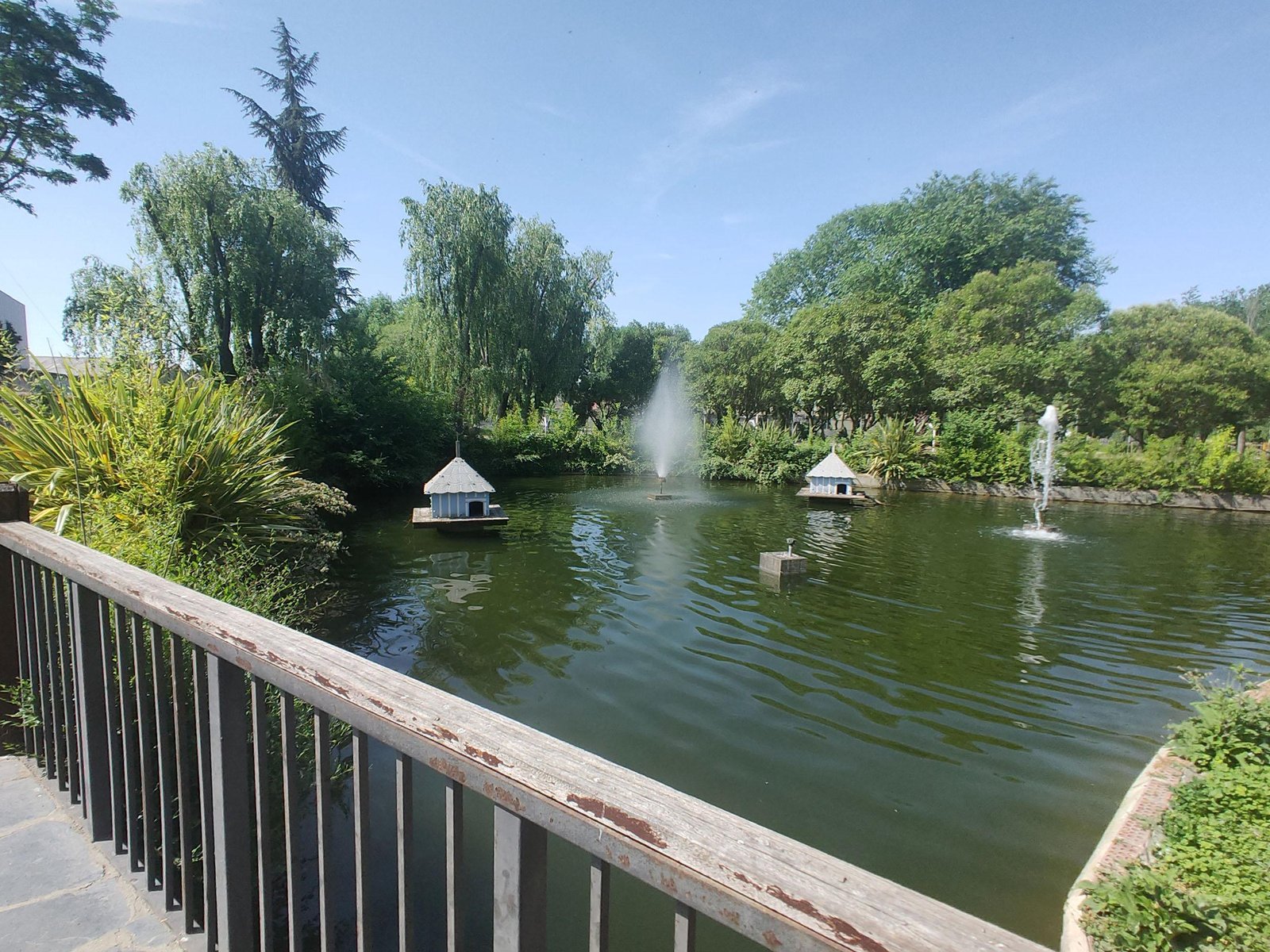
Water is another essential resource, not only for birds but also for the park’s soundscape. The geese pond, located at the lower end, serves as a large drinking spot for all the birds in the area. The spray of its fountains creates its own refreshing acoustics.
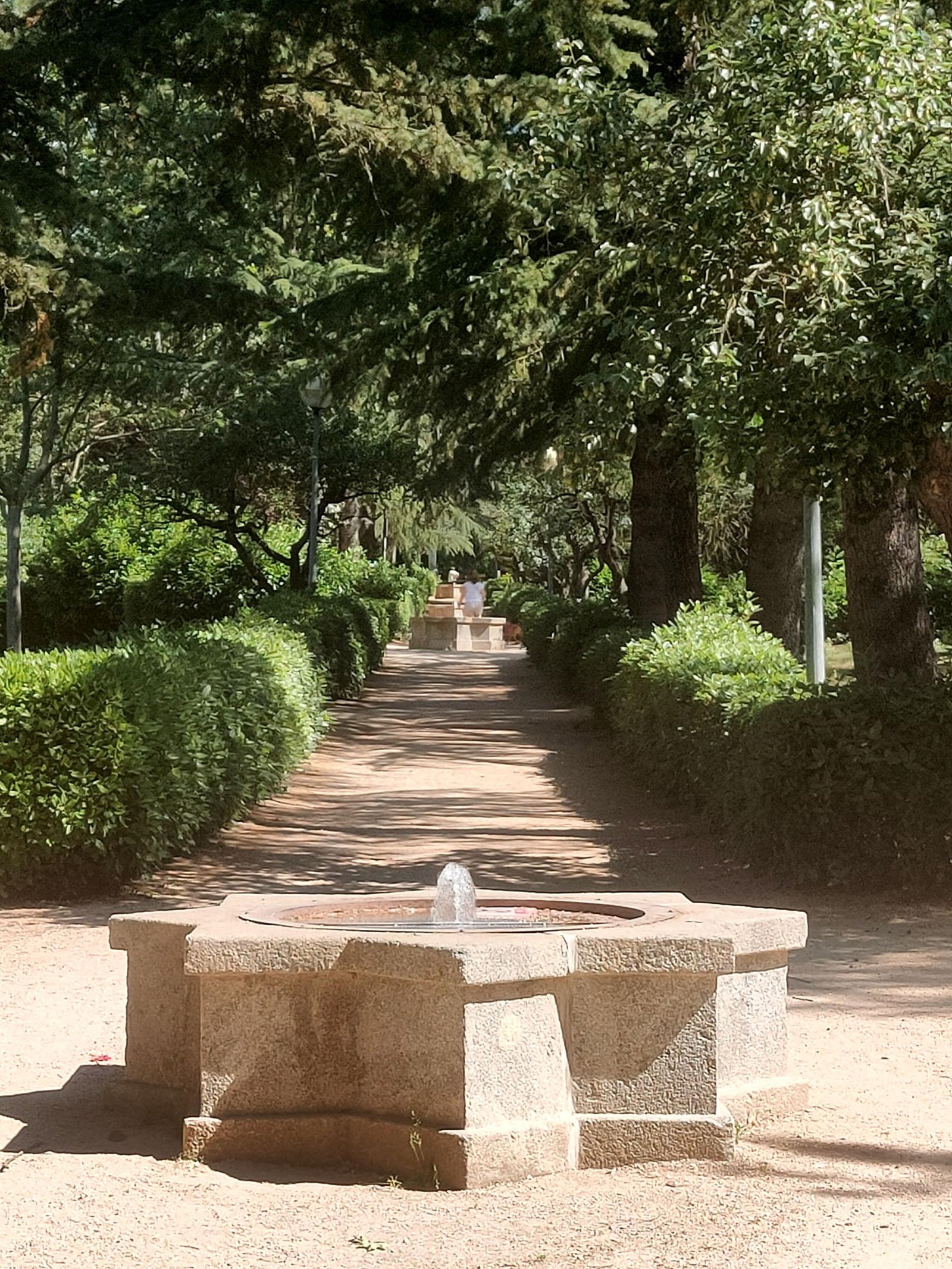
Among the water features, the Cedar Fountain Walk should not be overlooked. A double row of cedars provides shade for visitors, while elaborately carved stone fountains with attractive geometric shapes appear along the path. Again, it’s a place to sit and watch all the winged creatures move among the splashes.
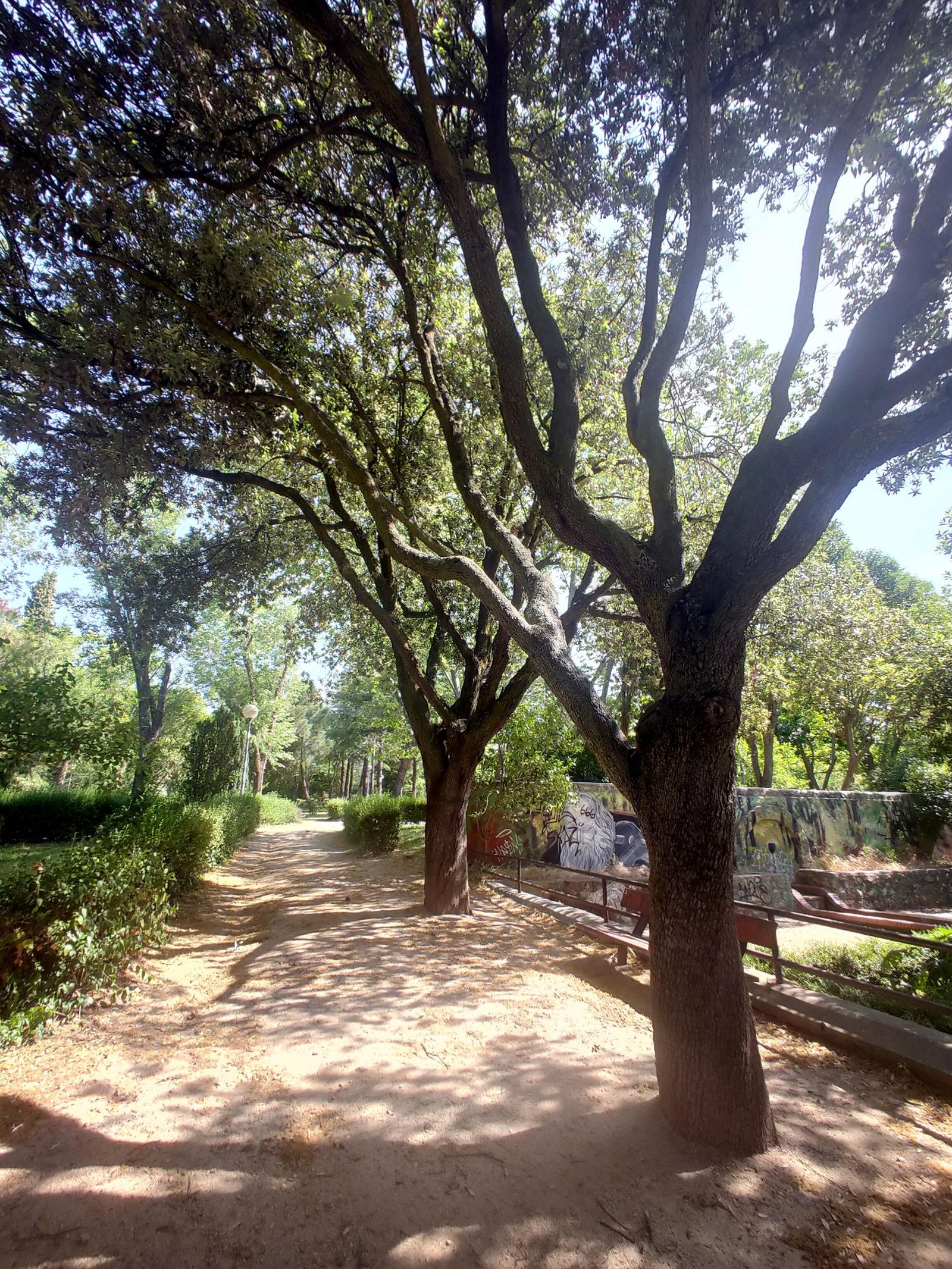
The walkways are always aesthetic and inviting. While spring is the prime time to stroll among the trees, autumn transforms the park into a painter’s palette. Ochres, old-leather browns, blend with reds and copper tones. Yellows abound, prominently represented by the ashes. Near the pond, a row of ash trees bathes the area in golden tones, from the treetops to the lawns. It’s a season that delights the eyes, a time to stroll with vision.
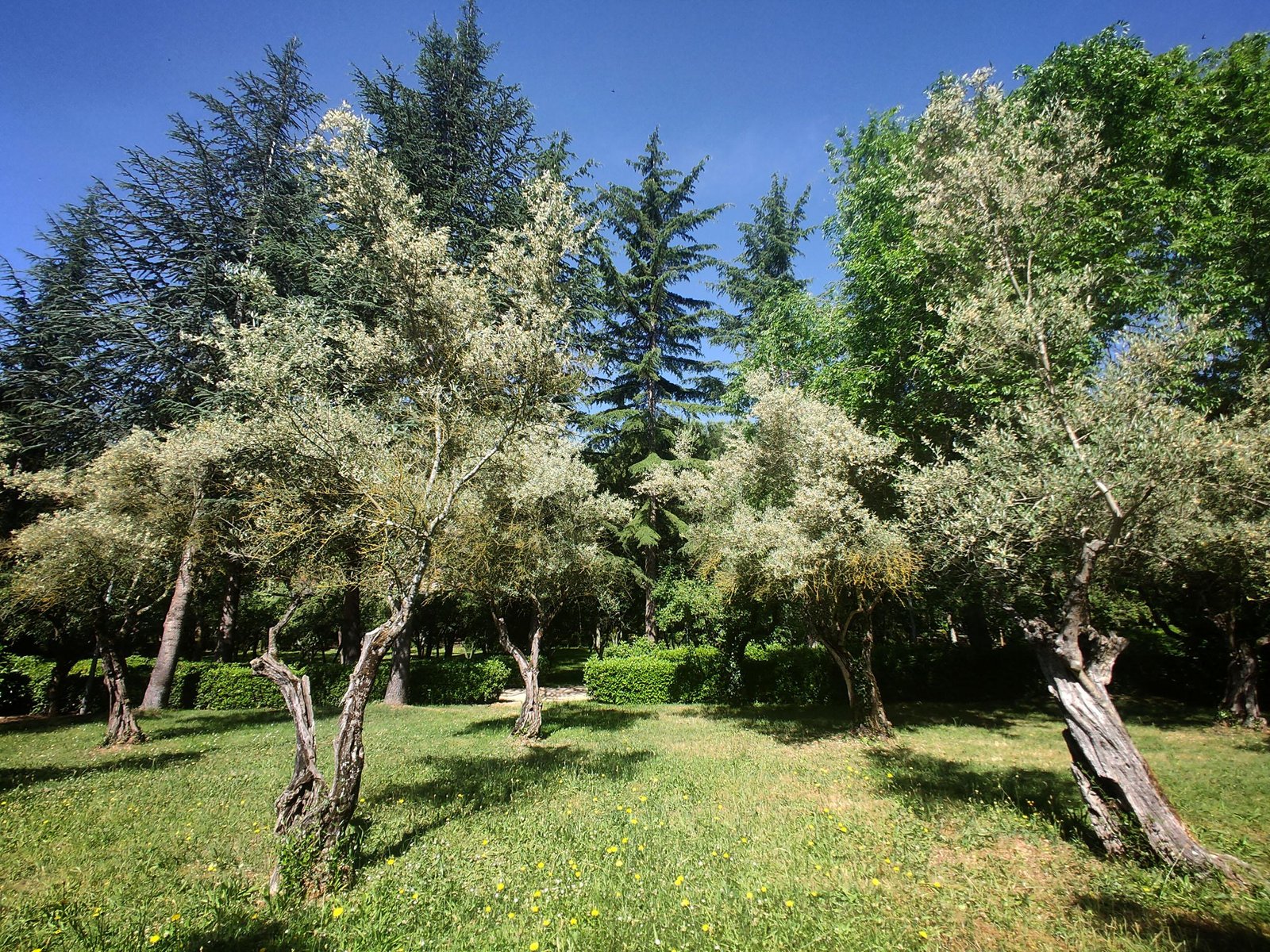
The overall layout of the garden is a succession of horizontal and vertical corridors, where diagonally crossing paths create a maze in which to lose oneself. Perhaps this is the park’s most captivating feature: wandering without a goal, entering and exiting the plots and lawns, observing the shapes and textures, losing time to gain life.
Try to find...
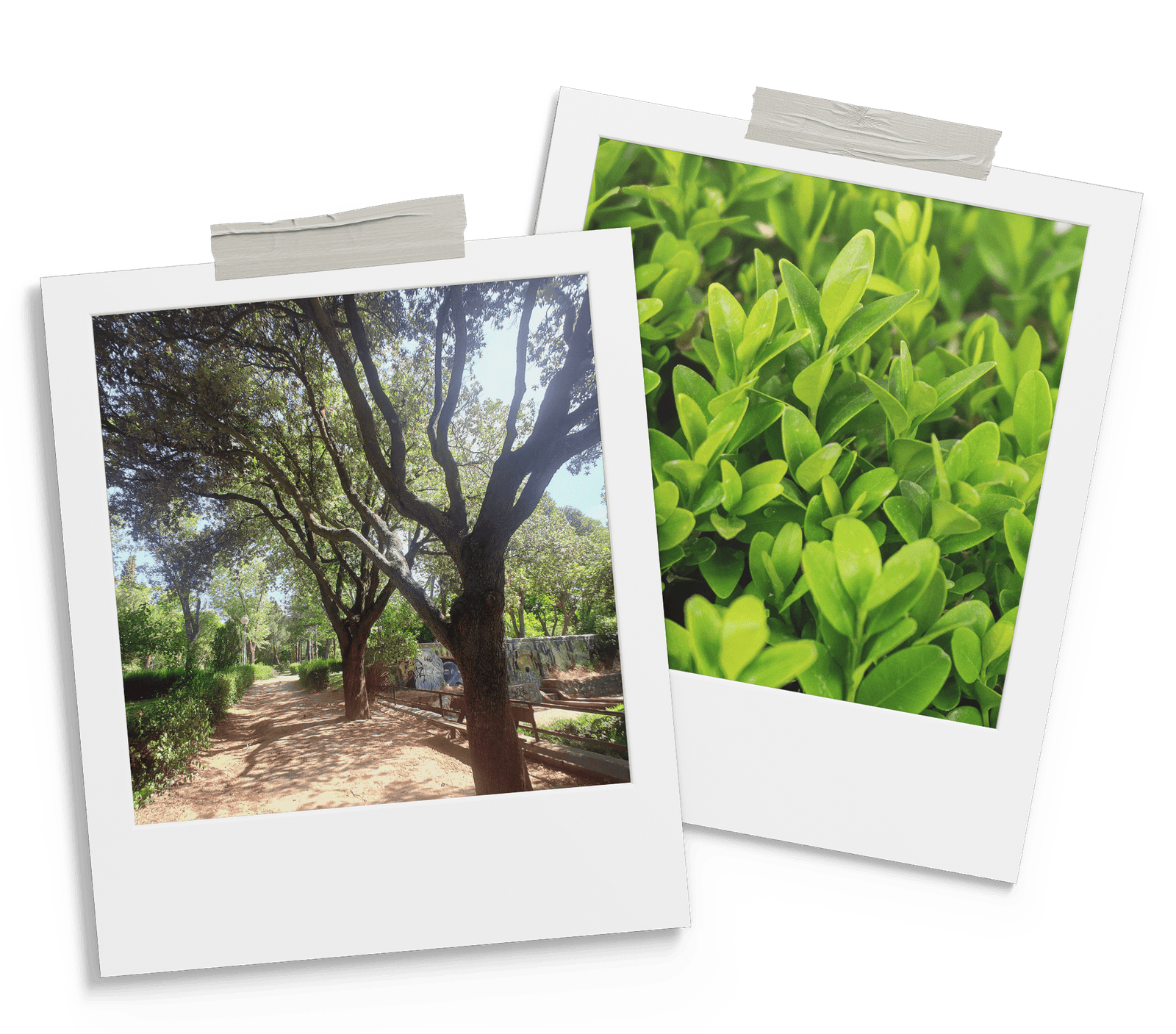
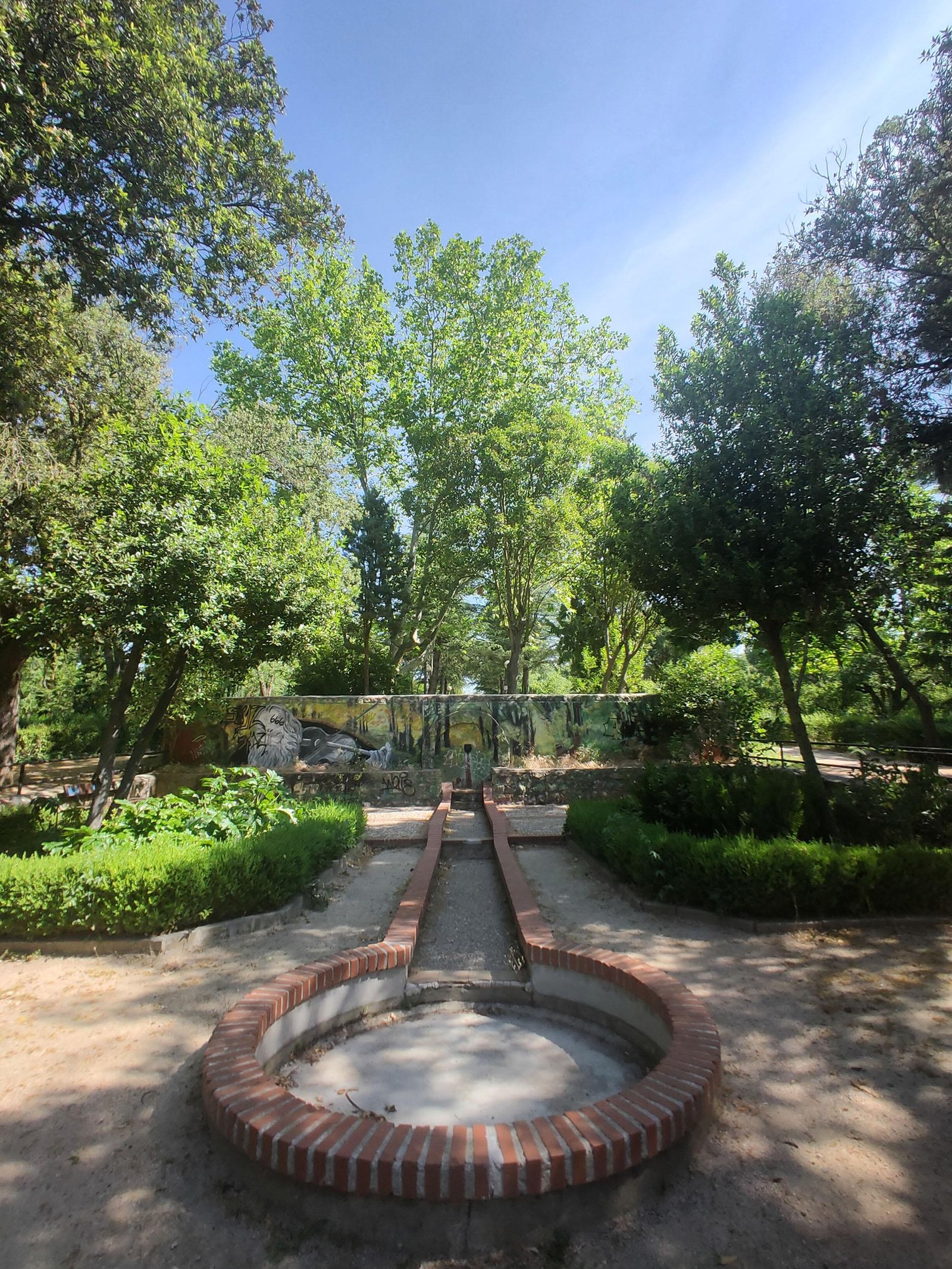
…the holm oaks of the old cemetery. A brick fountain with a small channel marks the spot. These trees raise their branches high, surrounding this small area where you can sit and rest. The scents of boxwood and laurel accompany you, creating an atmosphere perfect for closing your eyes and finding calm.