

Where a navigator rises above the treetops
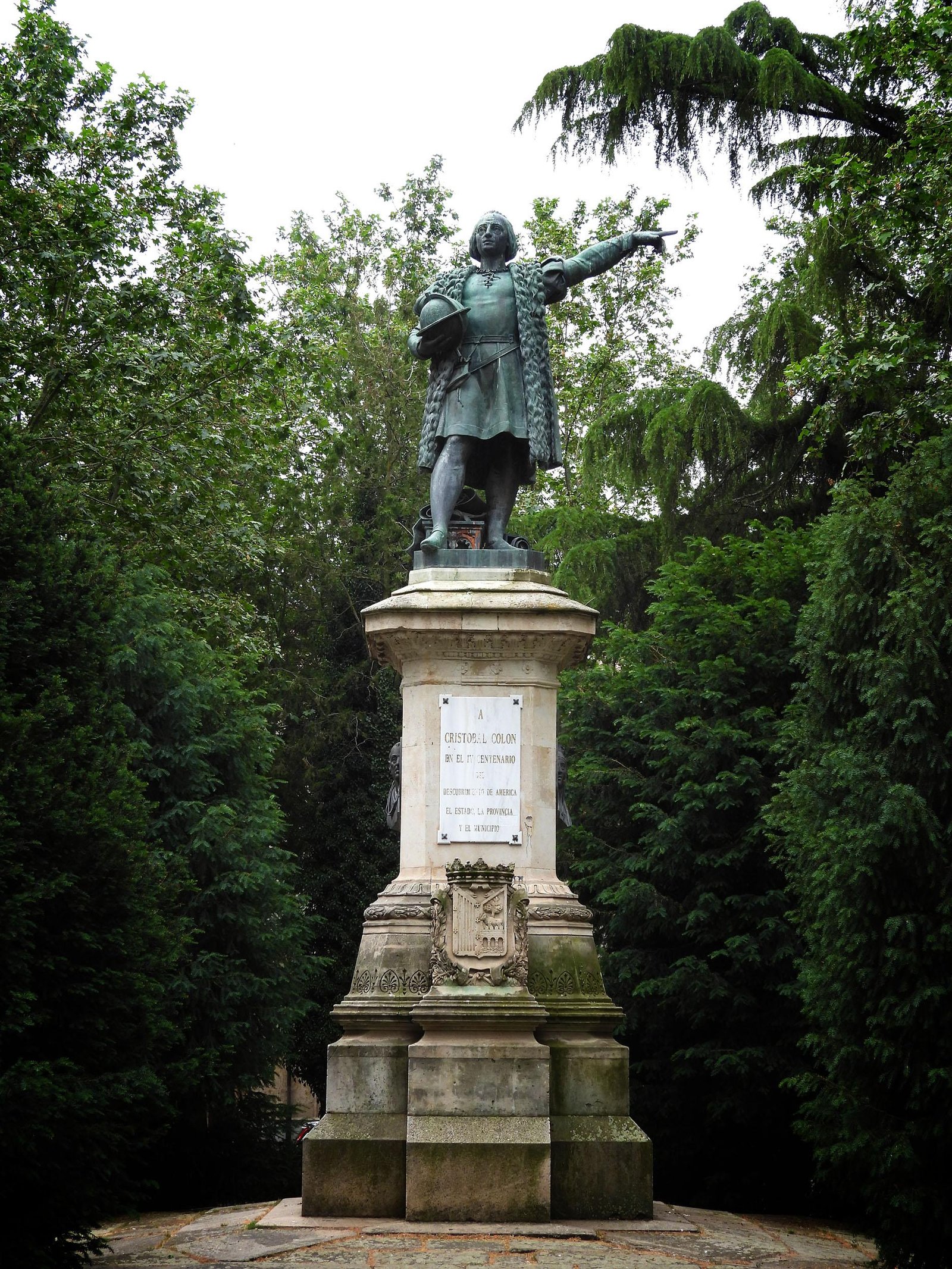
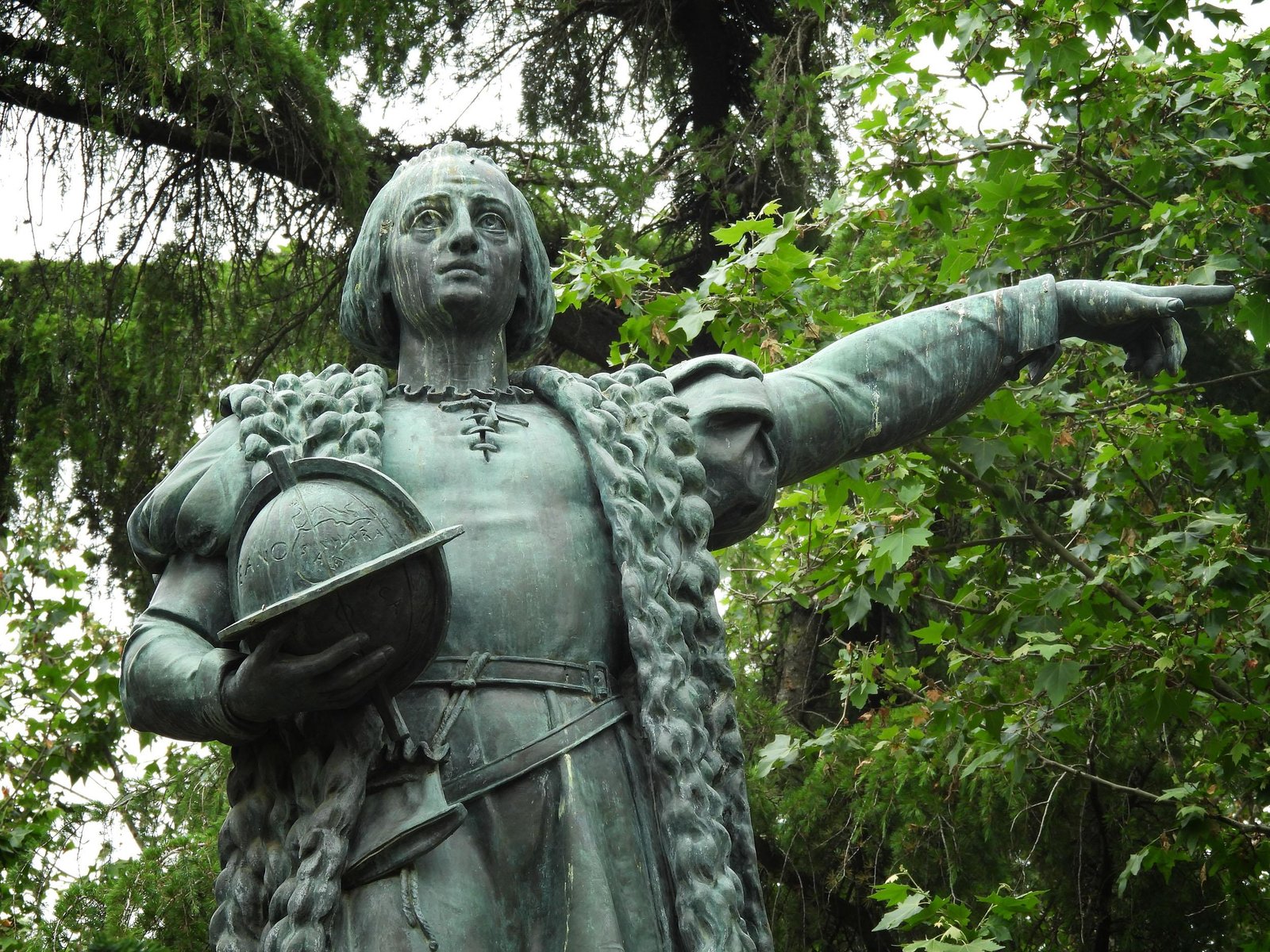
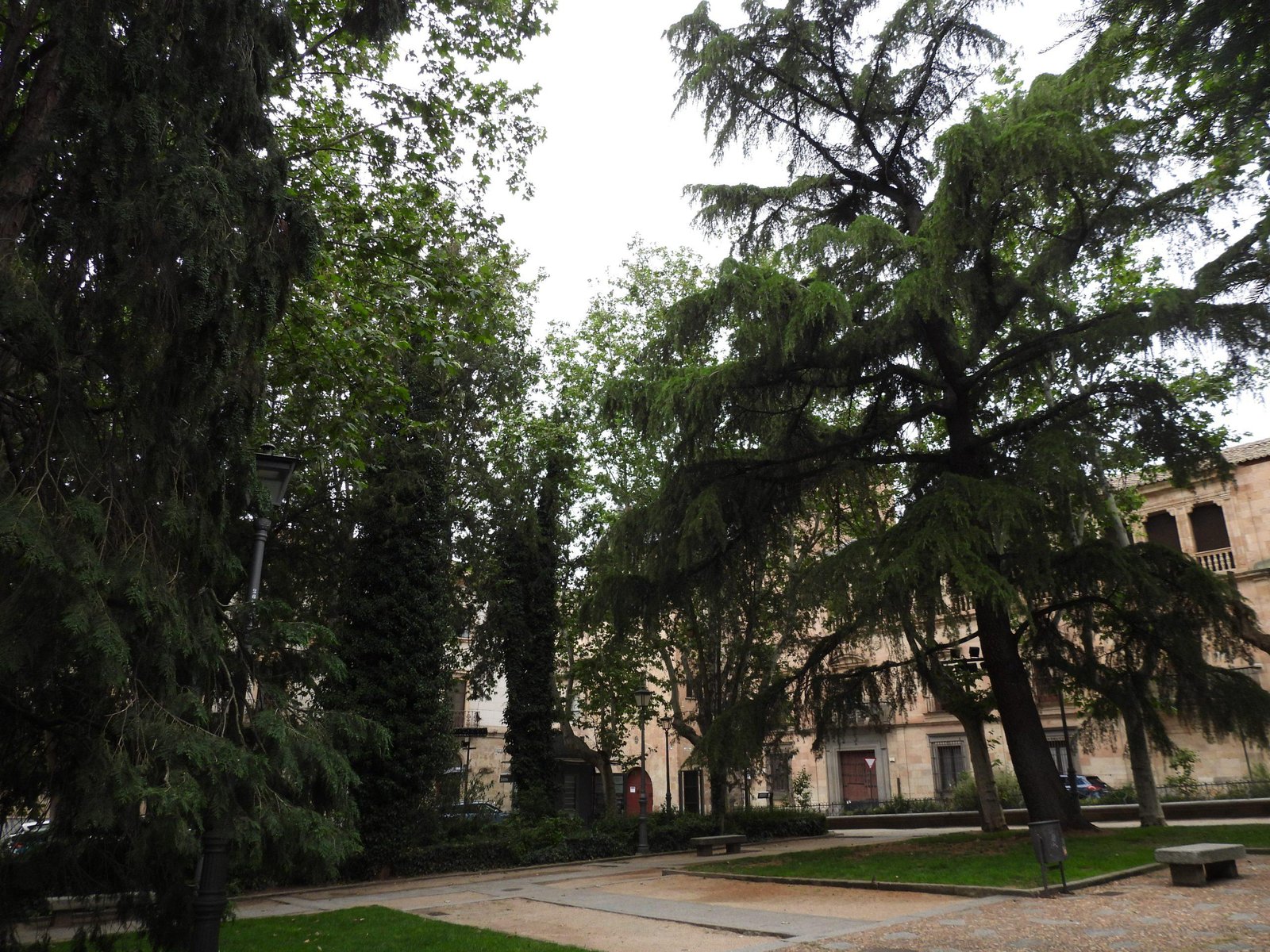
Without a doubt, this is one of the city’s classic gardens. Everything in this space has its own unique atmosphere. The first thing that draws the eye is the statue of Christopher Columbus, presiding over the square among four large yews. These trees, rich in symbolism and meaning, pay tribute to the navigator.
In Iberian culture, yews have long been considered sacred. They often grew near holy sites, hillforts, and necropolises, representing the afterlife and eternity due to their remarkable longevity. Near this square lies the Cerro de San Vicente, highly recommended for another visit. This hill is the birthplace of Salamanca and an archaeological site associated with the Castro culture.
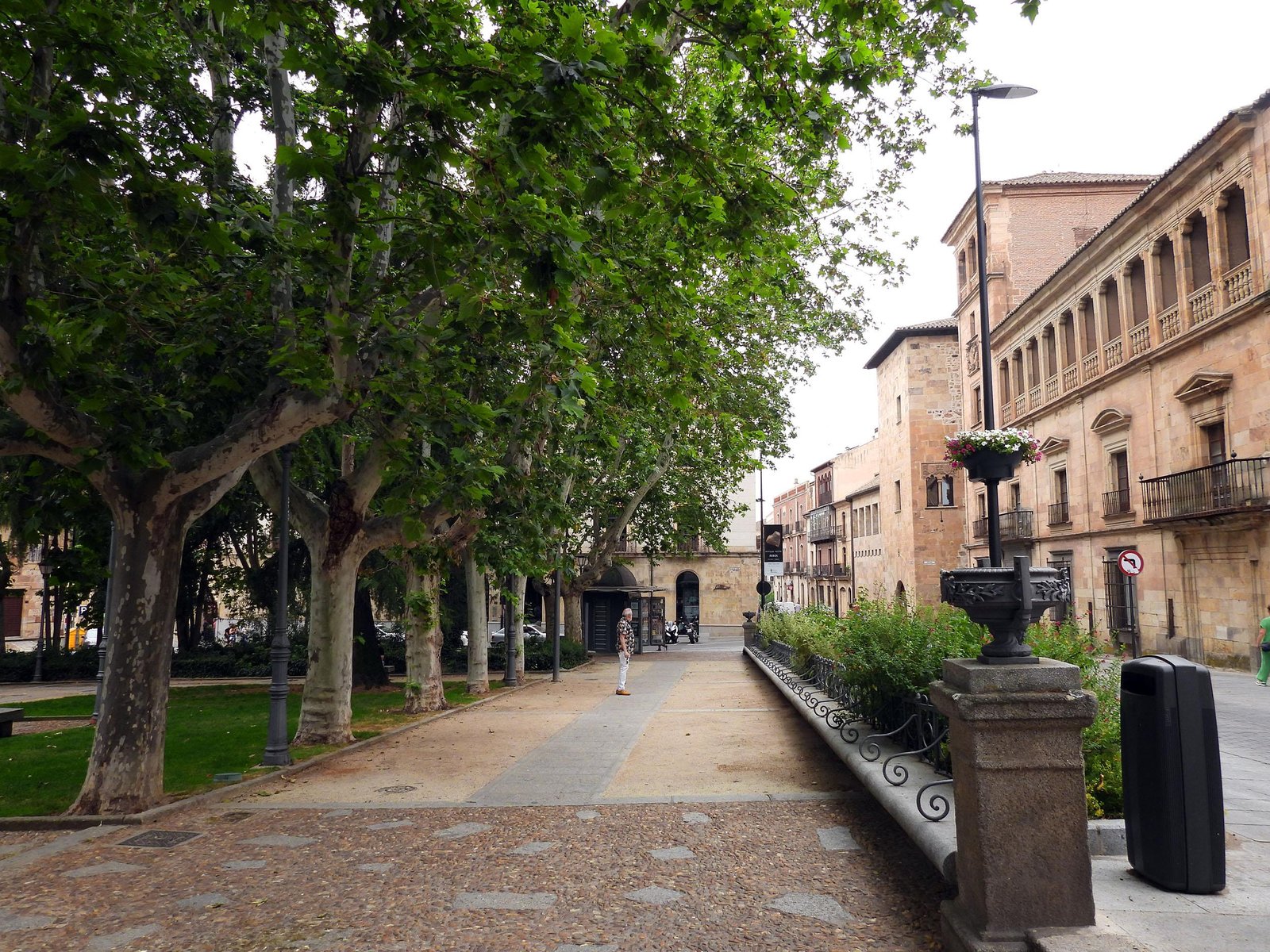
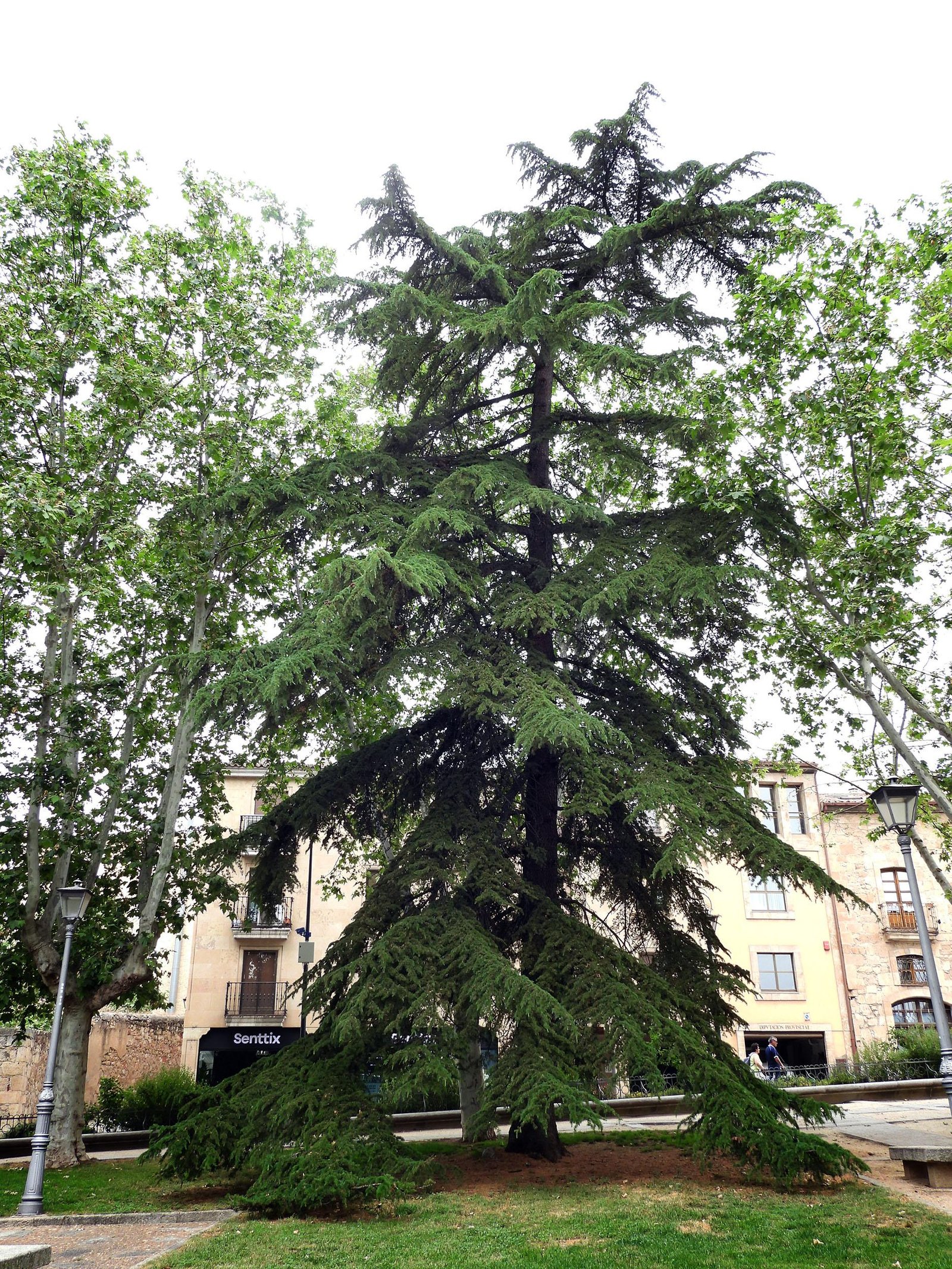
The square is shaded by London plane trees. Before the advent of the automobile, these trees were extensively planted along roadways by laborers to provide shade for slow-moving carts, carriages, and stagecoaches during the scorching Mediterranean summers. As a result, many specimens can also be found along streets and avenues.
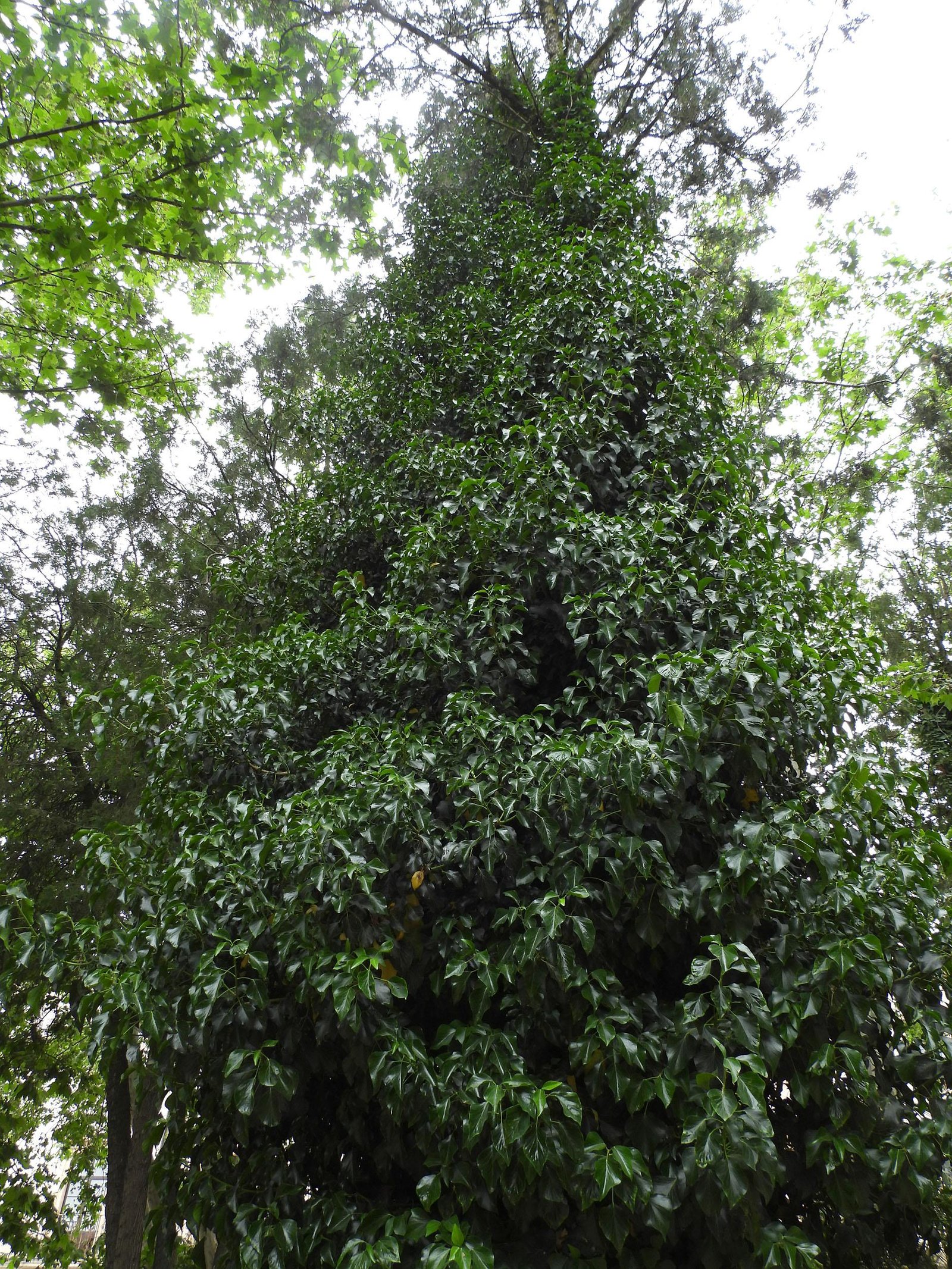
Two large climbing ivies grow near the Palacios de Orellana and Anaya. Both climb up the cypresses, almost completely covering them, forming two verdant columns and providing shelter for various bird species. Birds hide their nests among the intertwined branches, while also having easy access to feed their chicks.
In the square’s compacted earth plots, black redstarts are easy to spot. True to their name, their plumage is mostly black, with reddish tail feathers. Here they forage for mosquitoes and other small insects, acting as natural pest controllers.
The benefits of this natural soil extend beyond the birds. Visitors and locals also enjoy its advantages, primarily the cooler surface compared to granite paving. This difference can lower the temperature by up to ten degrees during increasingly hot months, making it a refreshing island in the city’s scorching summers.
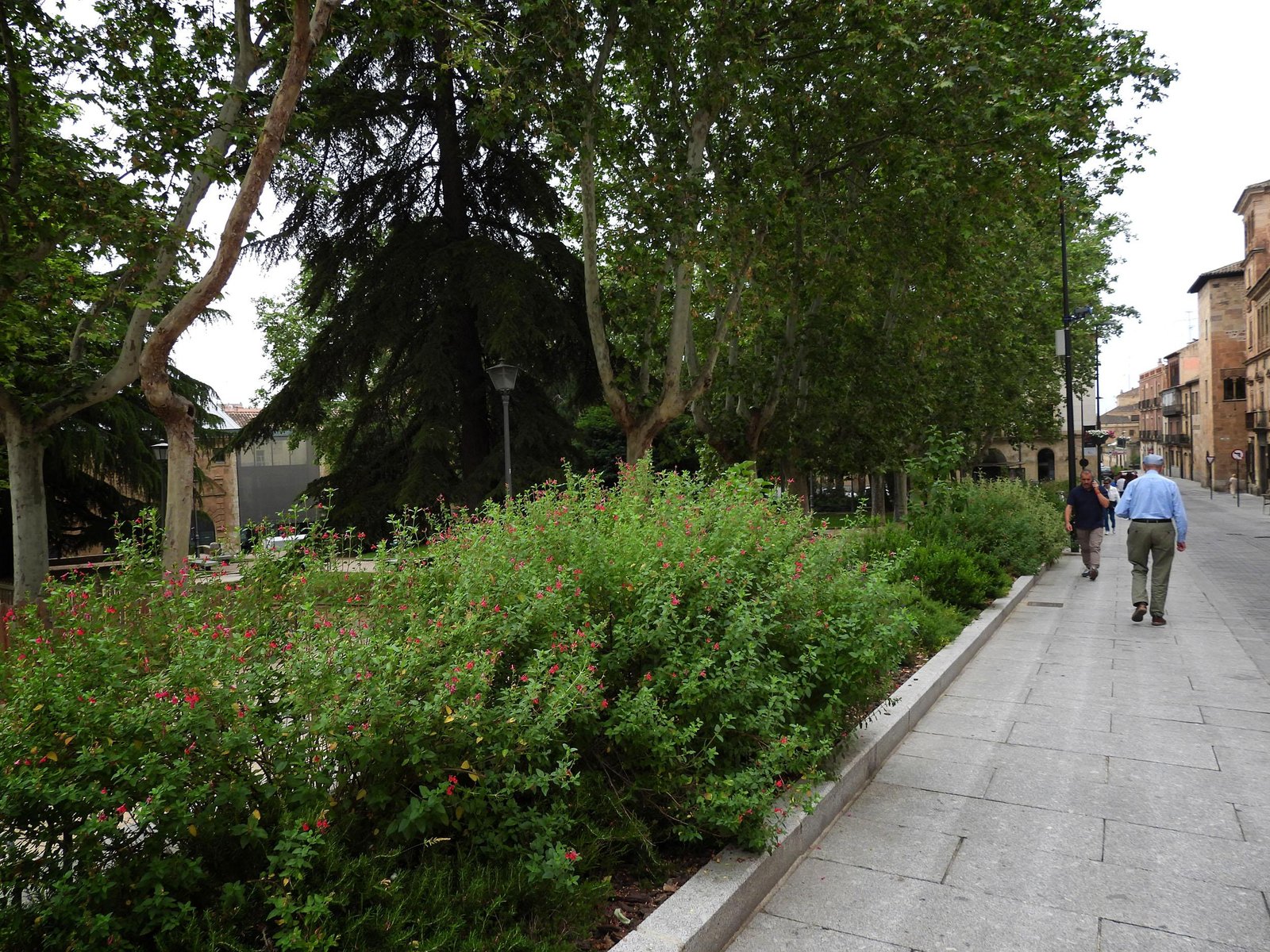
Similarly, the terraced shrub beds along Calle San Pablo enhance the walk. Besides adding beauty, transforming part of the sidewalk into planted plots creates a cooler sensation for pedestrians. The diversity of flowering species also supports pollinators, essential for urban nature.
Try to find...
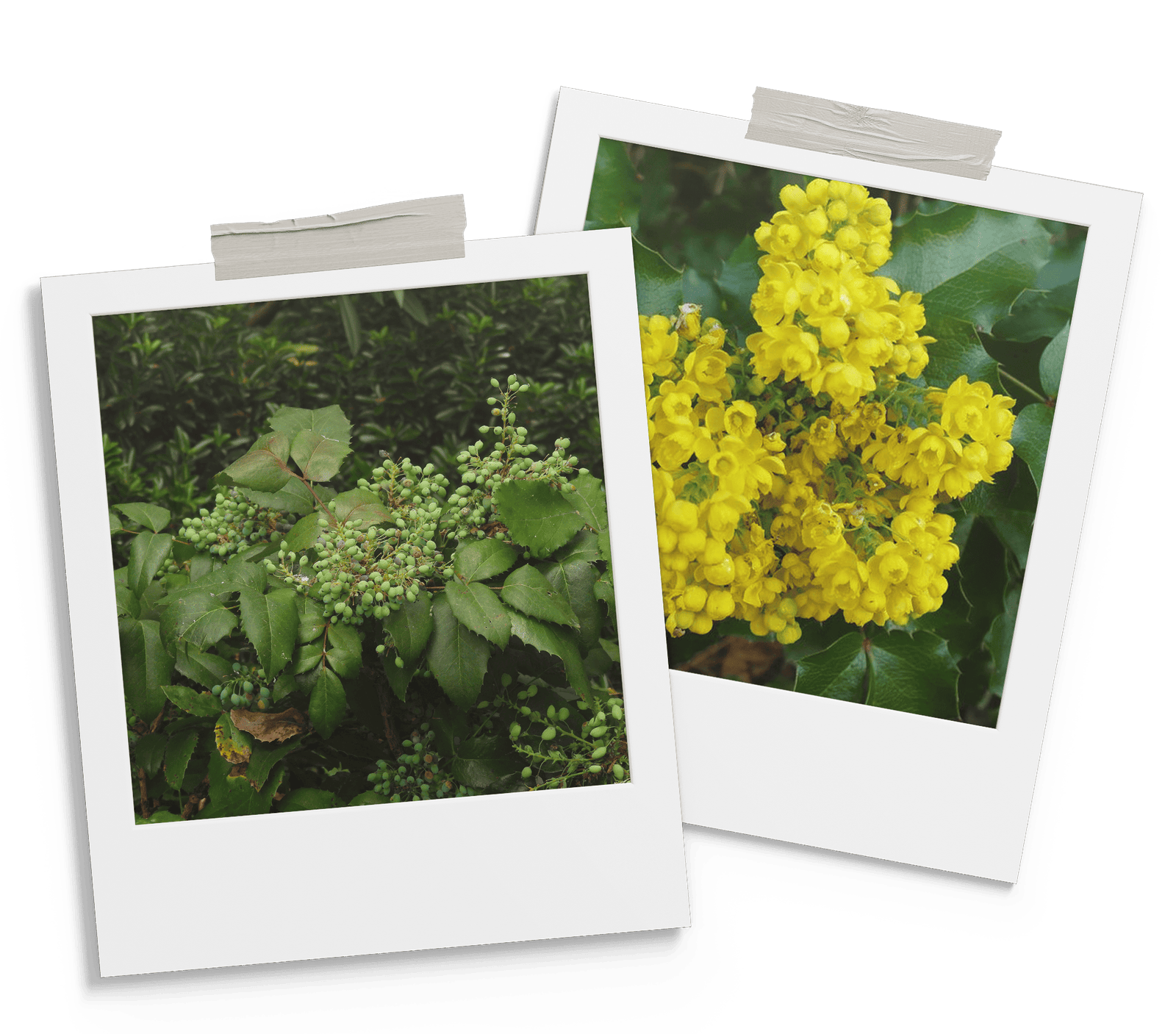
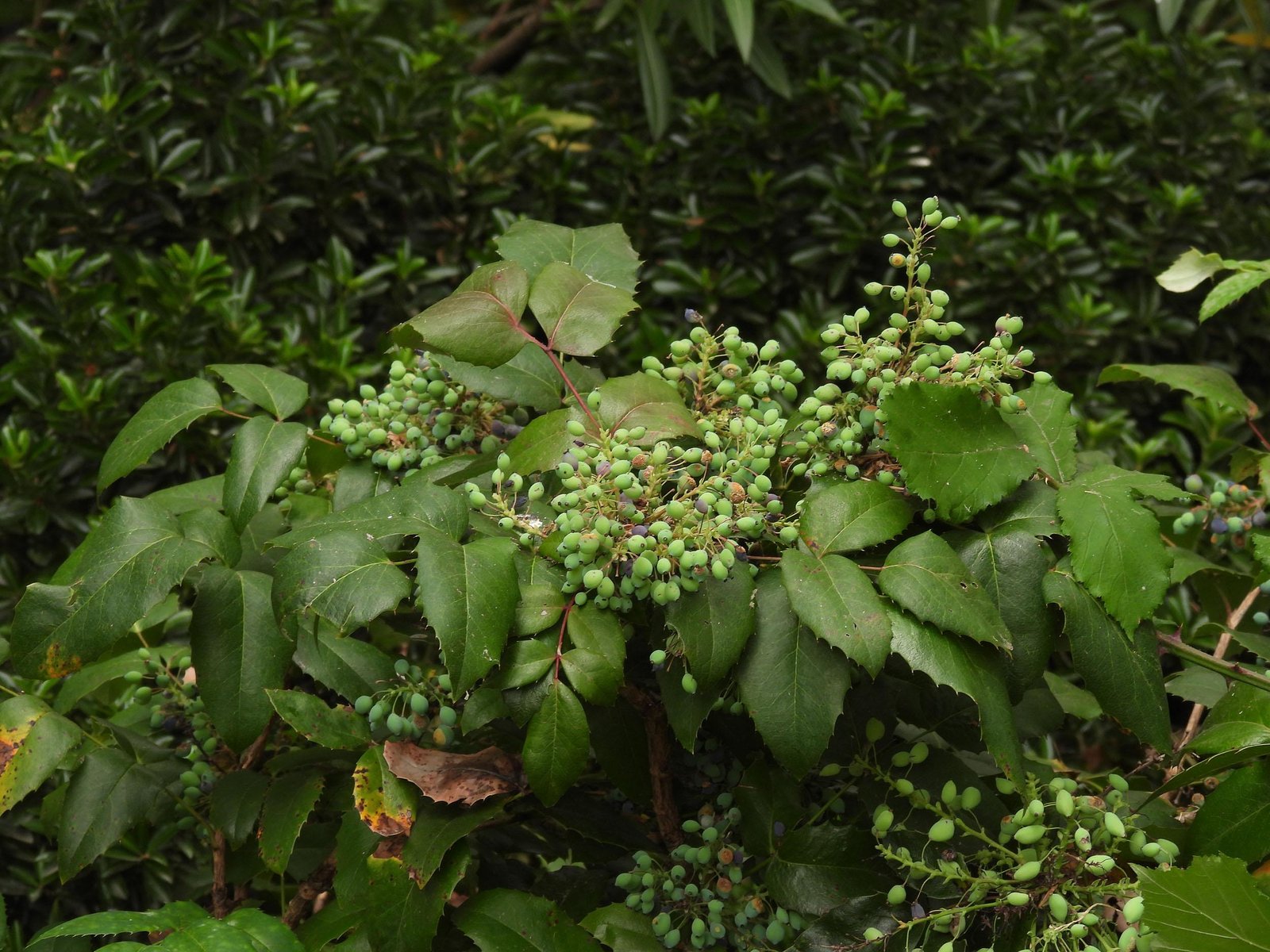
…a striking species hidden in the lowest part of the square: the Mahonia, also known as Oregon grape. Its common name comes from its North American origin. In that region, indigenous communities consumed its fruits despite their acidity (it is not recommended to harvest them within the city). In the past, these fruits were used to make jams and natural dyes.